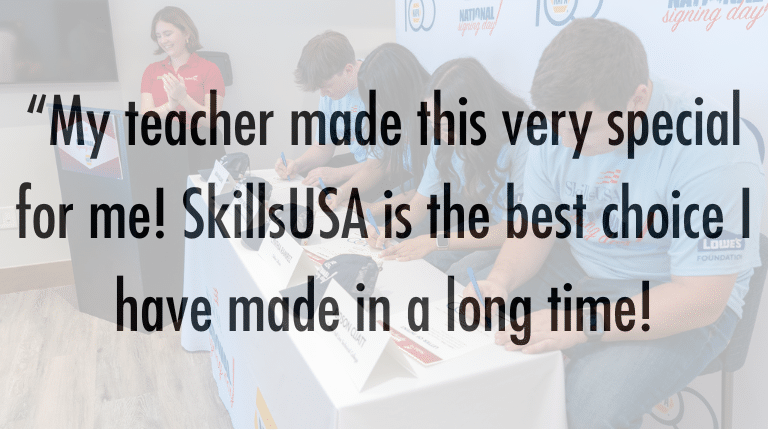
SkillsUSA National Signing Day is a nationwide celebration showcasing our next generation of skilled professionals and the skilled career paths that have been, are and always will be essential to America’s future. Local SkillsUSA chapters are encouraged to host a Signing Day event and invite business partners, school administrators, teachers, elected officials, SkillsUSA alumni, family and friends to honor students as they sign letters of intent for a job offer, internship/apprenticeship or advancing in CTE/technical training.

SkillsUSA National Signing Day is an event that local chapters plan and host themselves, but you don’t have to go it alone. SkillsUSA is excited to offer an arsenal of resources and incentives to help make your event a success!
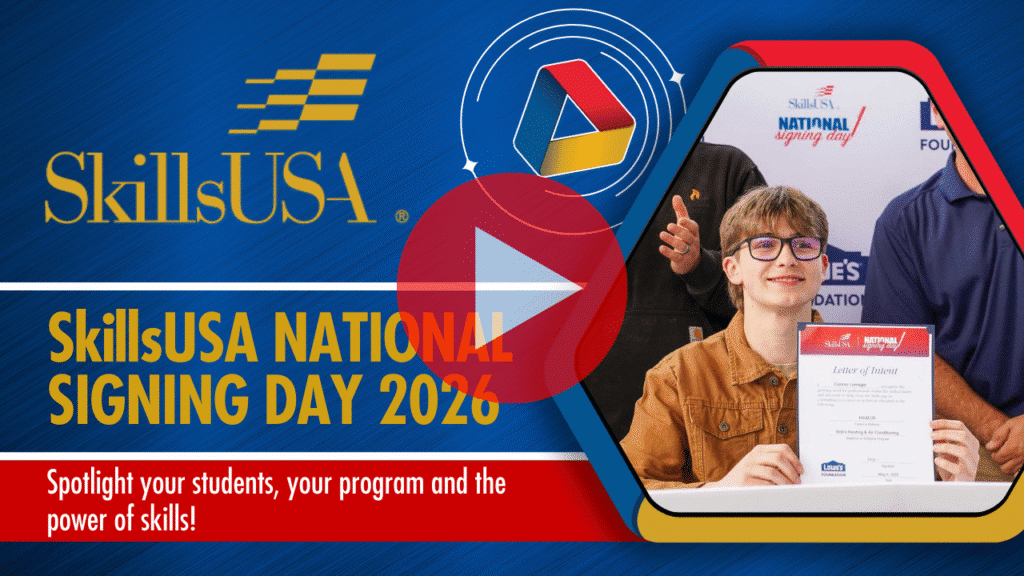
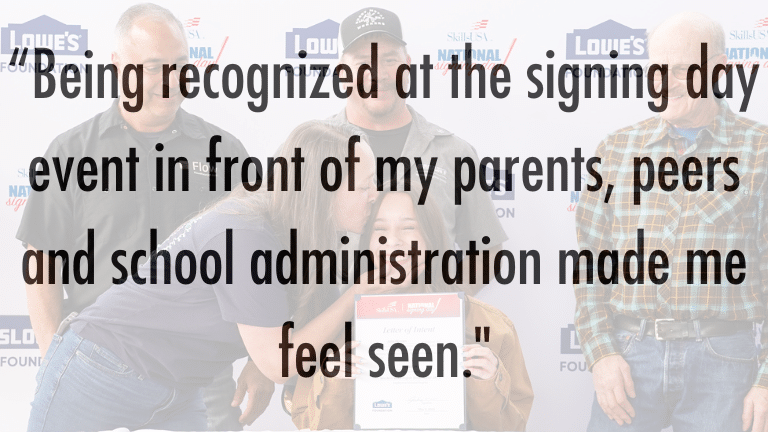 SkillsUSA’s 16 career clusters represent a wide range of programs, pathways, and student aspirations, and National Signing Day (NSD) is a moment to celebrate all of them. Because each cluster includes diverse specialties, certifications, and training sequences, NSD may look different from school to school. While we worked closely with multiple advisors to develop these examples, we recognize that no list can fully capture every program or pathway offered nationwide. Our goal is to provide chapters with a clear starting point: an overview of which students may be eligible and inspiration for how each cluster might honor their signers.

SkillsUSA National Signing Day (NSD) is a nationwide celebration honoring the next generation of skilled professionals. This event allows students to publicly commit to their career paths – whether that’s a job offer, internship/apprenticeship, or advancing in CTE/technical training. It elevates the visibility of skilled trades, celebrates student success, and strengthens the connection between education, industry, and community.
Student Eligibility
Eligibility for students in the Agriculture, Food & Natural Resources pathway might look like:
Progressing in an Agriculture Pathway
Students advancing within or between foundational and specialized courses, such as:
Work-Based Learning, Apprenticeships/Internships, or Industry Training
Students committing to:
Employment Commitments
Students accepting:
Postsecondary Education Commitments
Students committing to:
Why Signing Day Matters for Agriculture
For students in Agriculture, Food & Natural Resources, Signing Day students pursuing sustainable systems, environmental stewardship, animal and plant science, food production,commercial fishing and more. Chapters can celebrate students in many ways – see examples below!
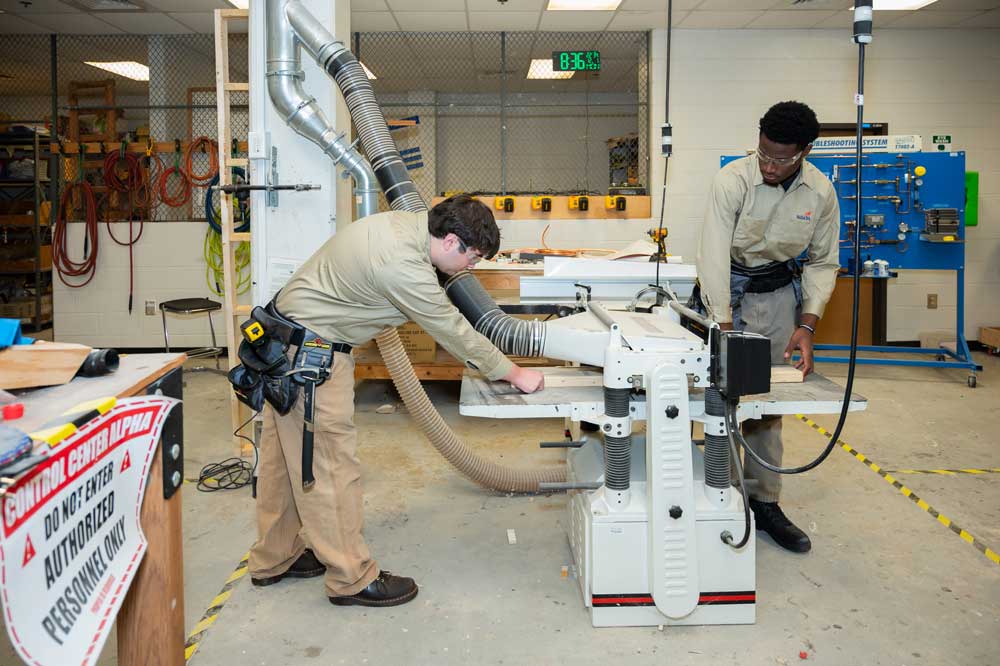 SkillsUSA National Signing Day (NSD) is a nationwide celebration honoring the next generation of skilled professionals. This event allows students to publicly commit to their career paths – whether that’s a job offer, internship/apprenticeship, or advancing in CTE/technical training. It elevates the visibility of skilled trades, celebrates student success, and strengthens the connection between education, industry, and community.
Student Eligibility
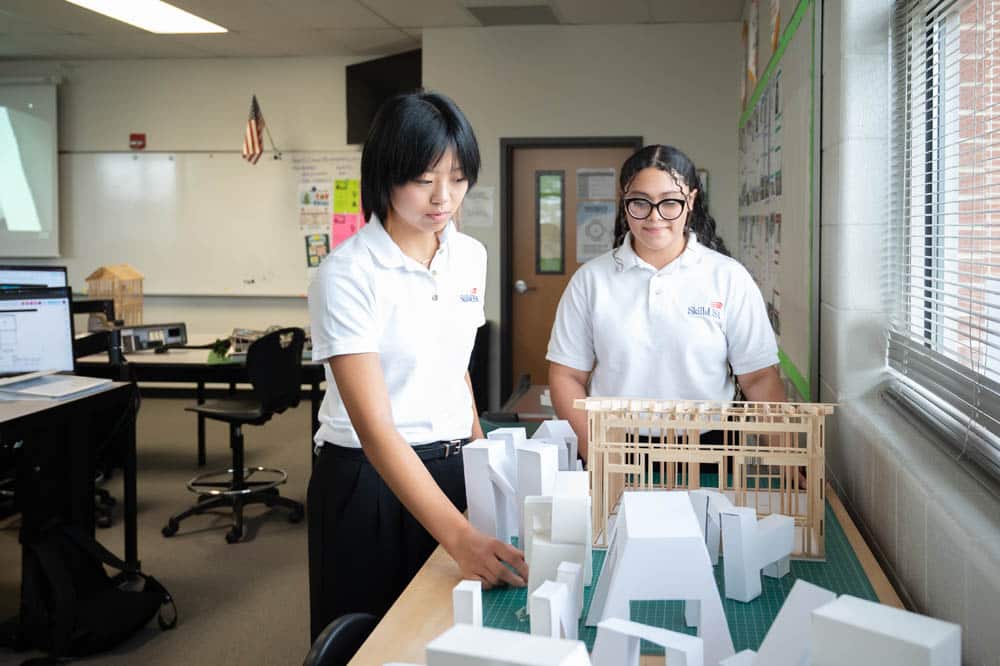
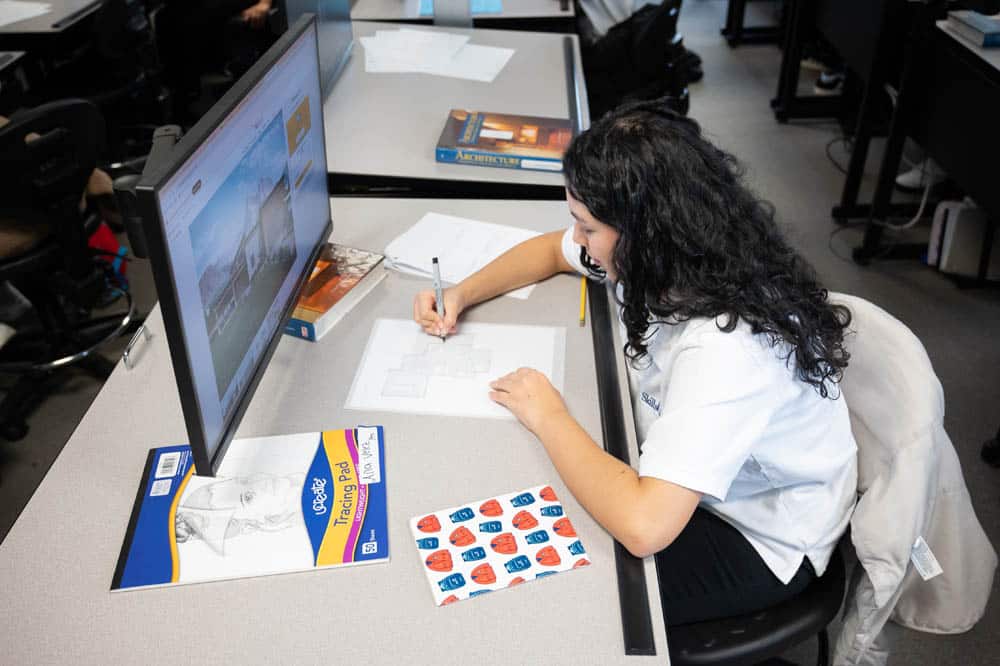
Eligibility for students in the Architecture & Construction pathway might look like:
Progressing in the Architecture & Construction Pathway

Students advancing within or between foundational and specialized courses such as:
Work-Based Learning, Apprenticeships/Internships & Industry Training
 Students committing to:
Employment Commitments
 Students accepting:
Postsecondary Education Commitments
 Students committing to:
Why Signing Day Matters for Architecture & Construction
For students in Architecture & Construction, Signing Day highlights students pursuing skilled trades, design, and more. Chapters can celebrate students in many ways – see examples below!

SkillsUSA National Signing Day (NSD) is a nationwide celebration honoring the next generation of skilled professionals. This event allows students to publicly commit to their career paths – whether that’s a job offer, internship/apprenticeship, or advancing in CTE/technical training. It elevates the visibility of skilled trades, celebrates student success, and strengthens the connection between education, industry, and community.
Student Eligibility
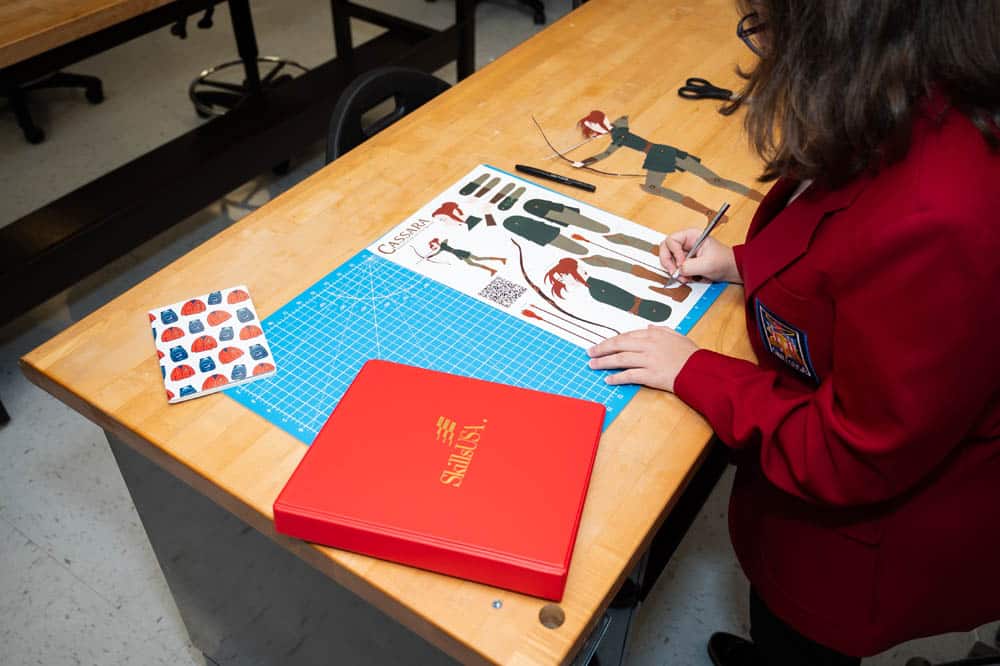
Eligibility for students in the Arts, A/V Technology & Communications pathway might look like:
Progressing in the Arts, A/V Technology & Communications Pathway
 Students advancing within or between foundational and specialized courses such as:
Work-Based Learning, Apprenticeships/Internships & Industry Training
 Students committing to:
Employment Commitments
Students accepting:
Postsecondary Education Commitments
Students committing to:
Why Signing Day Matters for Arts, A/V Technology & Communications
For students in Arts, A/V Technology & Communications, Signing Day celebrates students pursuing media, design, animation, production, and more. Chapters can celebrate students in many ways – see examples below!
 SkillsUSA National Signing Day (NSD) is a nationwide celebration honoring the next generation of skilled professionals. This event allows students to publicly commit to their career paths – whether that’s a job offer, internship/apprenticeship, or advancing in CTE/technical training. It elevates the visibility of skilled trades, celebrates student success, and strengthens the connection between education, industry, and community.
Student Eligibility
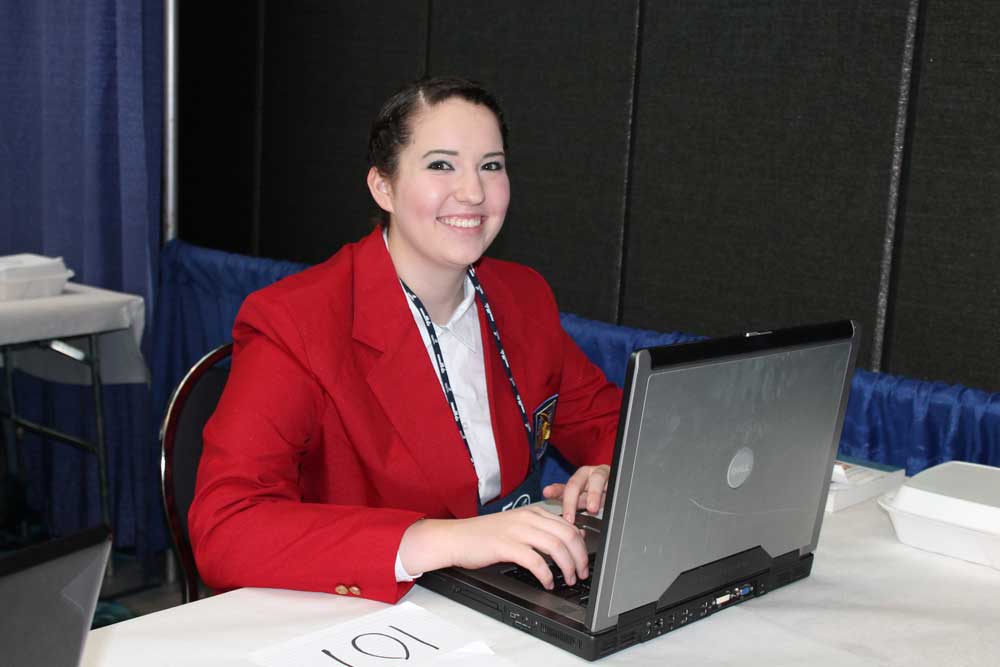
Eligibility for students in the Business, Management & Administration pathway might look like:
Progressing in the Business, Management & Administration Pathway
Students advancing within or between foundational and specialized courses such as:
Work-Based Learning, Apprenticeships & Internships
Students committing to:
Employment Commitments
Students accepting:
Postsecondary Education Commitments
Students committing to:
Why Signing Day Matters for Business, Management & Administration
For students in Business, Management & Administration, Signing Day highlights students pursuing administration, entrepreneurship, corporate careers, and more. Chapters can celebrate students in many ways – see examples below!
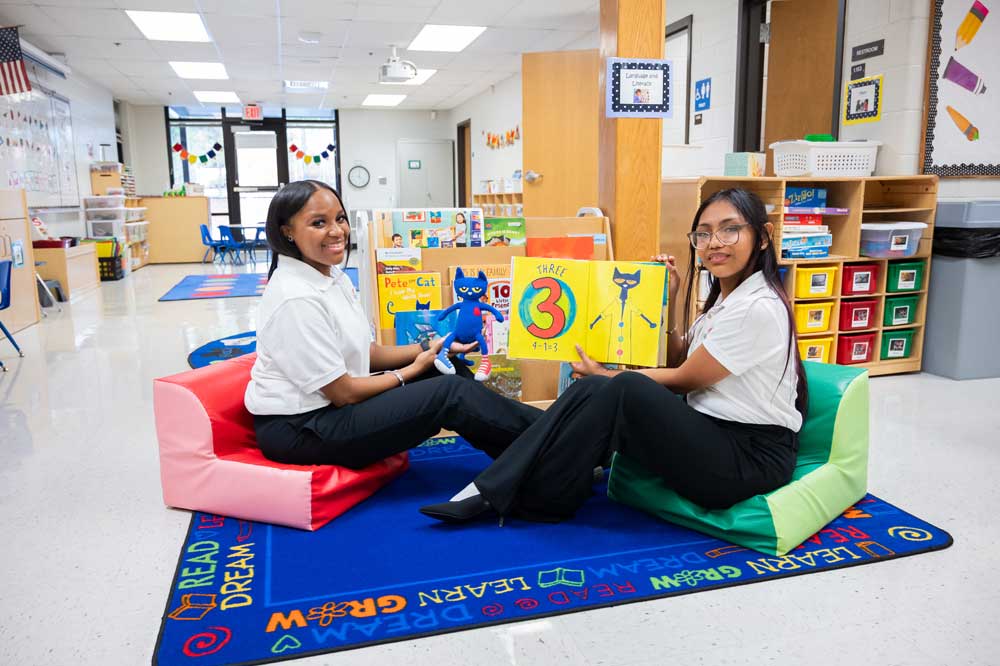 SkillsUSA National Signing Day (NSD) is a nationwide celebration honoring the next generation of skilled professionals. This event allows students to publicly commit to their career paths – whether that’s a job offer, internship/apprenticeship, or advancing in CTE/technical training. It elevates the visibility of skilled trades, celebrates student success, and strengthens the connection between education, industry, and community.
Student Eligibility
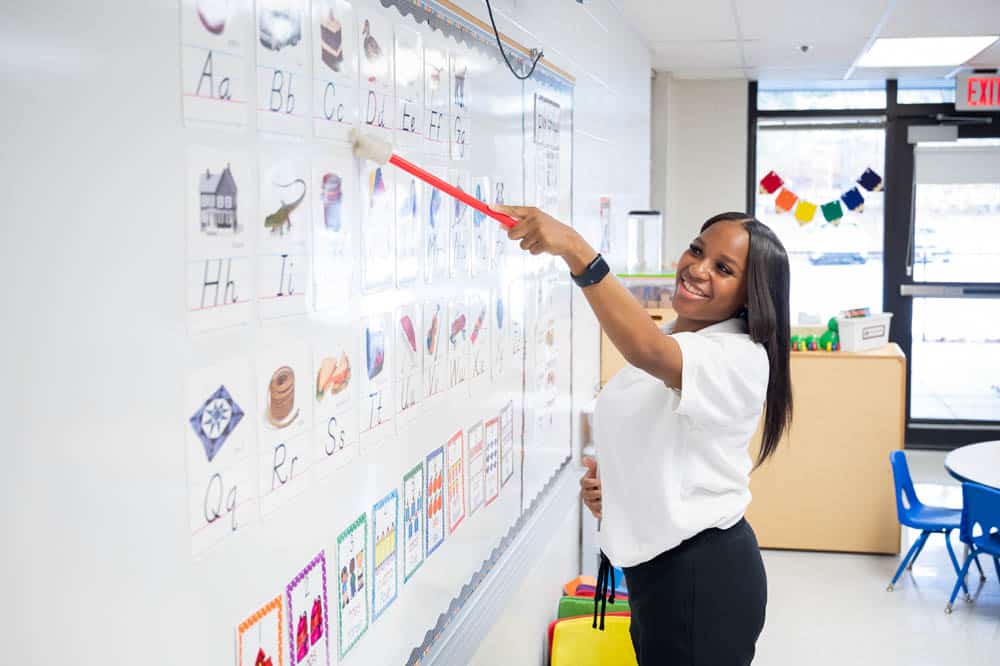 Eligibility for students in the Education & Training pathway might look like:
Progressing in the Education & Training Pathway
Students advancing within or between foundational and specialized courses such as:
Work-Based Learning, Apprenticeships & Industry Training
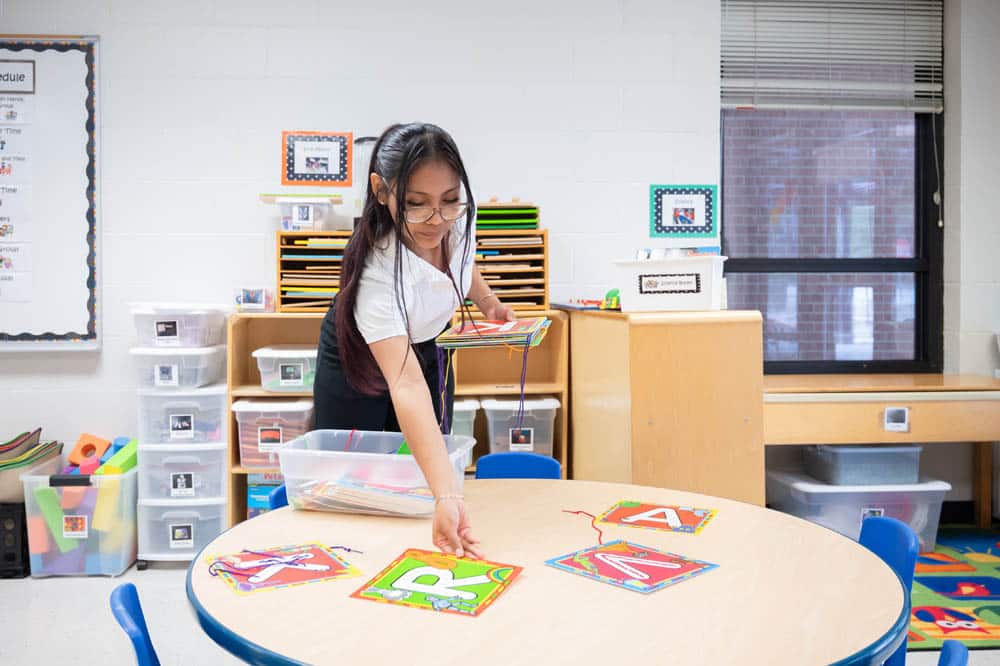 Students committing to:
Employment Commitments
Students accepting:
Postsecondary Education Commitments
Students committing to:
Why Signing Day Matters for Education & Training
For students in Education & Training, Signing Day celebrates students pursuing education, childcare specialist roles, instructional roles, and more. Chapters can celebrate students in many ways – see examples below!
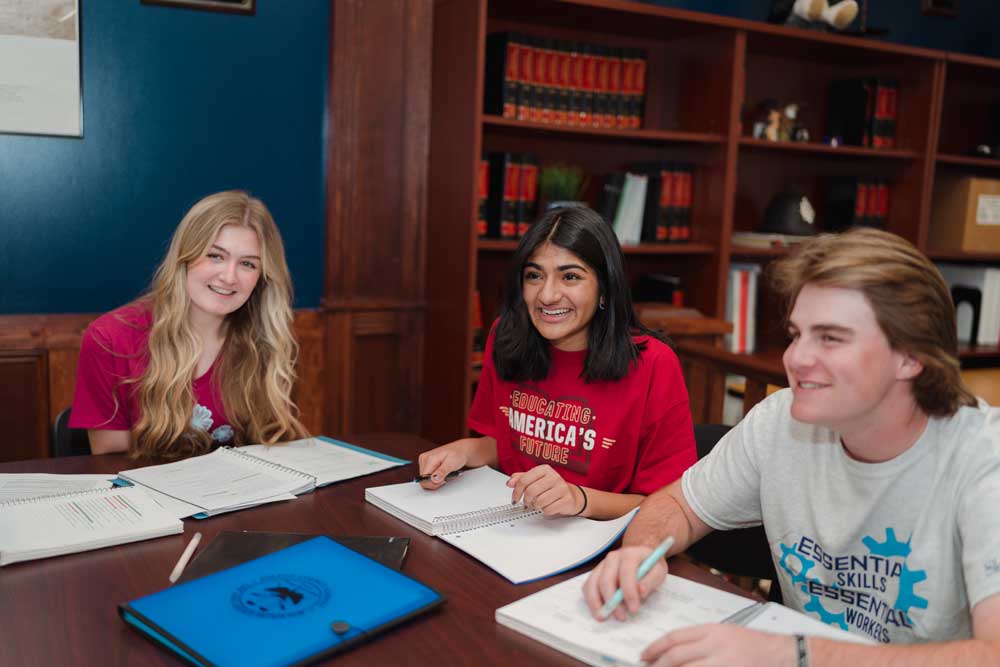
SkillsUSA National Signing Day (NSD) is a nationwide celebration honoring the next generation of skilled professionals. This event allows students to publicly commit to their career paths – whether that’s a job offer, internship/apprenticeship, or advancing in CTE/technical training. It elevates the visibility of skilled trades, celebrates student success, and strengthens the connection between education, industry, and community.
Student Eligibility
Eligibility for students in the Finance pathway might look like:
Progressing in the Finance Pathway
Students advancing within foundational or specialized coursework such as:
Work-Based Learning, Apprenticeships & Industry Training
Students committing to:
Employment Commitments
Students accepting:
Postsecondary Education Commitments
Students committing to:
Why Signing Day Matters for Finance
For students in Finance, Signing Day celebrates students pursuing banking, accounting, financial planning, investments, corporate finance, FinTech, business operations, and more. Chapters can celebrate students in many ways – see examples below!

SkillsUSA National Signing Day (NSD) is a nationwide celebration honoring the next generation of skilled professionals. This event allows students to publicly commit to their career paths – whether that’s a job offer, internship/apprenticeship, or advancing in CTE/technical training. It elevates the visibility of skilled trades, celebrates student success, and strengthens the connection between education, industry, and community.
Student Eligibility
Eligibility for students in the Government & Public Administration pathway might look like:
Progressing in the Government & Public Administration Pathway
Students advancing within or between foundational and specialized courses such as:
Work-Based Learning, Internships & Public Service Training
Students committing to:
Employment Commitments
Students accepting:
Postsecondary Education Commitments
Students committing to:
Why Signing Day Matters for Government & Public Administration
For students in Government & Public Administration, Signing Day celebrates students pursuing civic engagement, public service, and more. Chapters can celebrate students in many ways – see examples below!
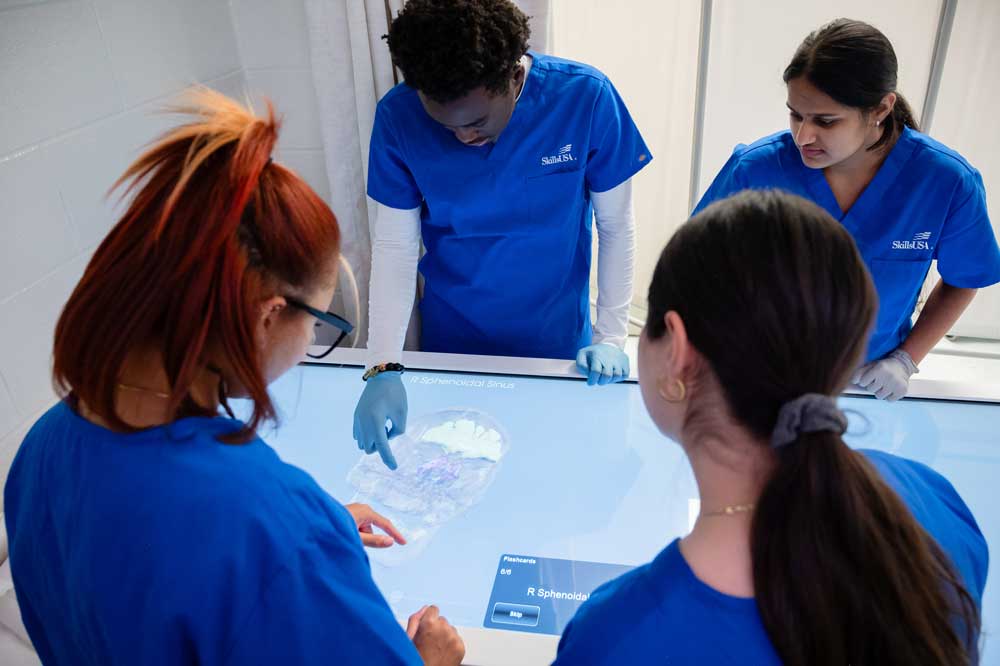 SkillsUSA National Signing Day (NSD) is a nationwide celebration honoring the next generation of skilled professionals. This event allows students to publicly commit to their career paths – whether that’s a job offer, internship/apprenticeship, or advancing in CTE/technical training. It elevates the visibility of skilled trades, celebrates student success, and strengthens the connection between education, industry, and community.
Progressing in the Health Science Pathway
Students advancing within or between levels of healthcare training, such as:
Work-Based Learning, Apprenticeships/Internships & Industry Training
 Students committing to:
Employment Commitments
 Students accepting:
Postsecondary Education Commitments
Students committing to:
Why Signing Day Matters for Health Science
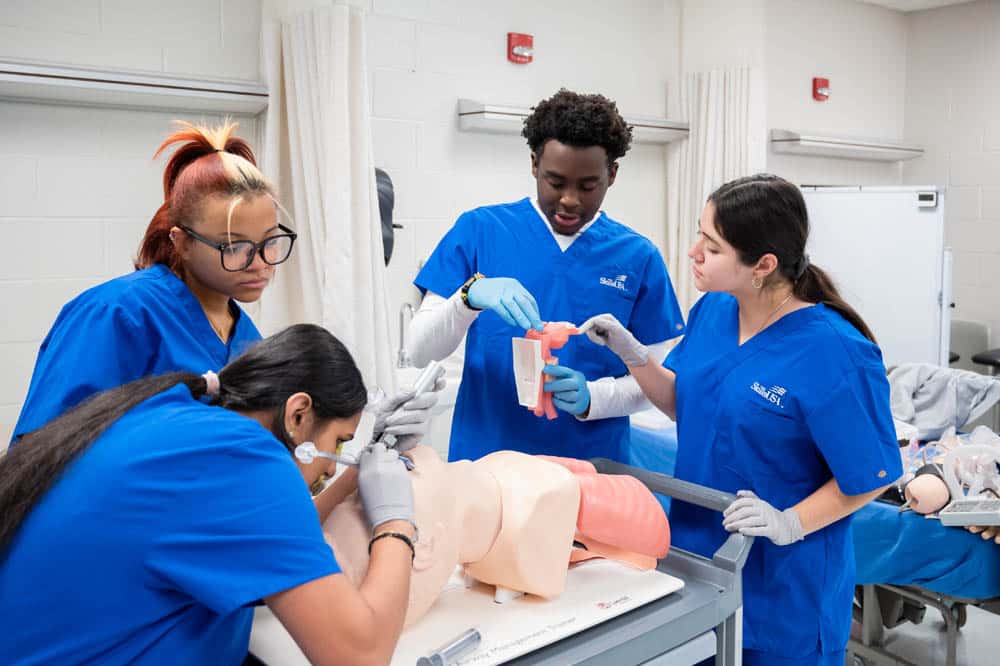
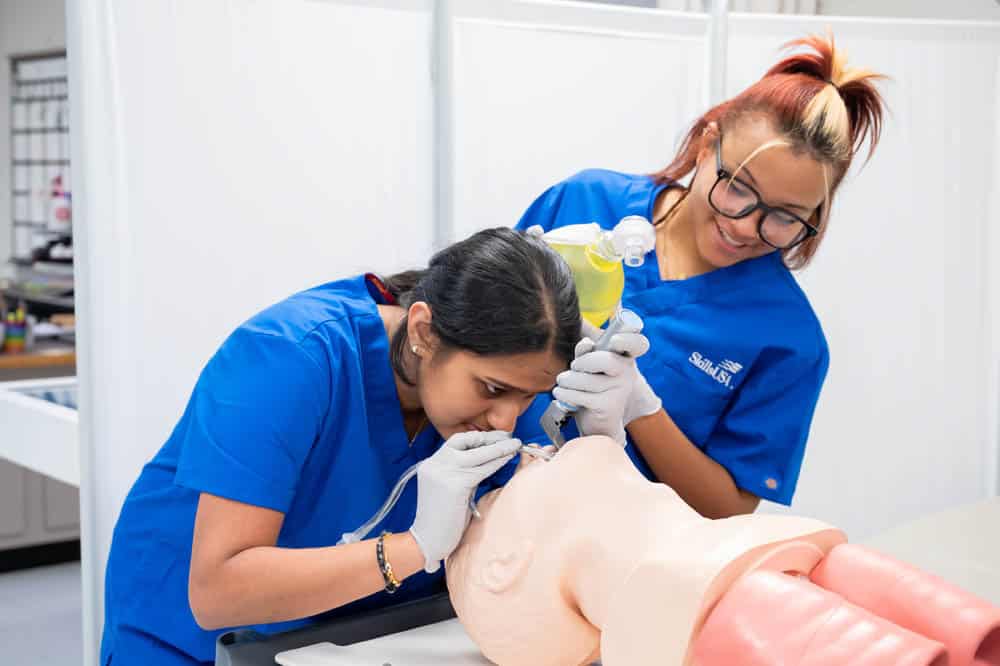
For students in Health Science, Signing Day highlights students pursuing nursing, patient care, lab science, dental, emergency response, and more. Chapters can celebrate students in many ways – see examples below!
 SkillsUSA National Signing Day (NSD) is a nationwide celebration honoring the next generation of skilled professionals. This event allows students to publicly commit to their career paths – whether that’s a job offer, internship/apprenticeship, or advancing in CTE/technical training. It elevates the visibility of skilled trades, celebrates student success, and strengthens the connection between education, industry, and community.
Student Eligibility
Eligibility for students in the Hospitality & Tourism pathway might look like:
Progressing in the Hospitality & Tourism Pathway
 Students advancing within or between foundational and specialized courses such as:
Work-Based Learning, Apprenticeships & Industry Training
 Students committing to:
Employment Commitments
Students accepting:
Postsecondary Education Commitments
Students committing to:
Why Signing Day Matters for Hospitality & Tourism
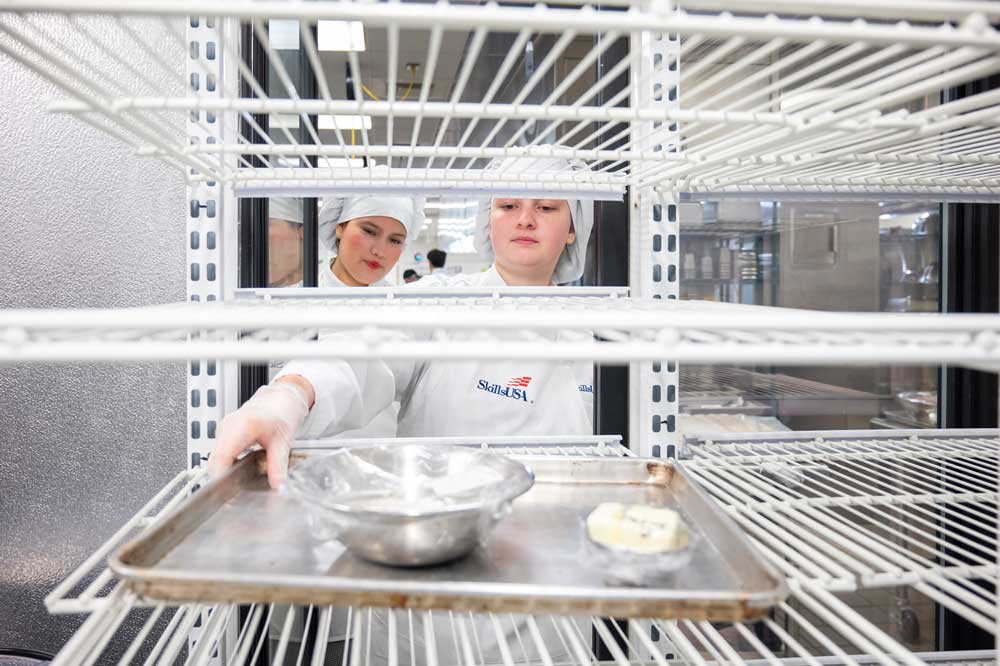
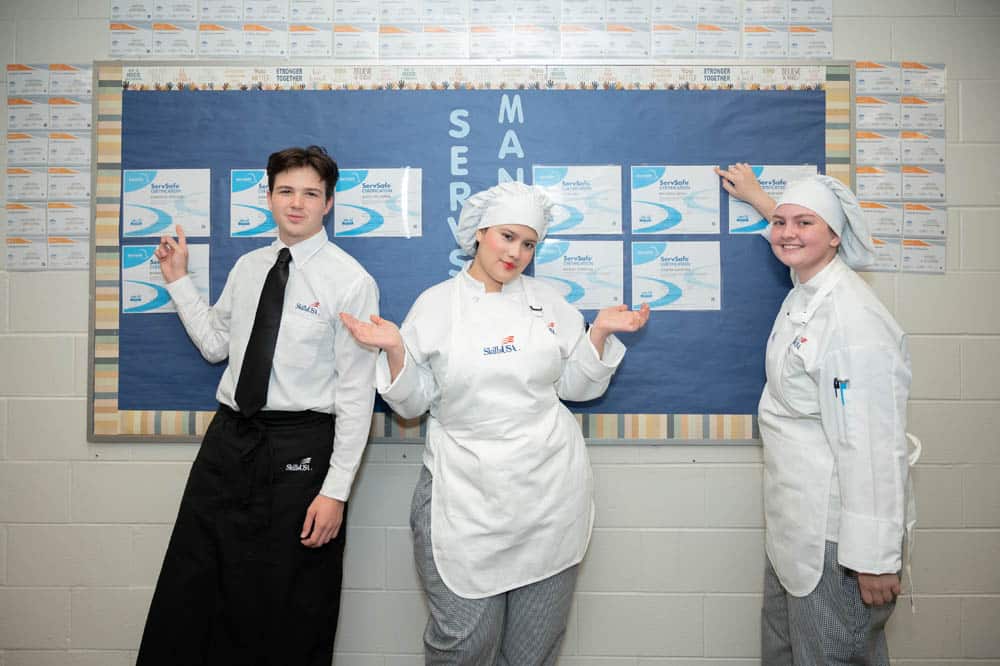
For students in Hospitality & Tourism, Signing Day celebrates students pursuing culinary arts, baking & pastry, event management, lodging, and more. Chapters can celebrate students in many ways – see examples below!
 SkillsUSA National Signing Day (NSD) is a nationwide celebration honoring the next generation of skilled professionals. This event allows students to publicly commit to their career paths – whether that’s a job offer, internship/apprenticeship, or advancing in CTE/technical training. It elevates the visibility of skilled trades, celebrates student success, and strengthens the connection between education, industry, and community.
Student Eligibility
 Eligibility for students in the Human Services pathway might look like:
Progressing in the Human Services Pathway
Students advancing within foundational or specialized programs such as:
Work-Based Learning, Apprenticeships/Internships & Industry Training
Students committing to:
Employment Commitments
Students accepting:
Postsecondary Education Commitments
Students committing to:
Why Signing Day Matters for Human Services
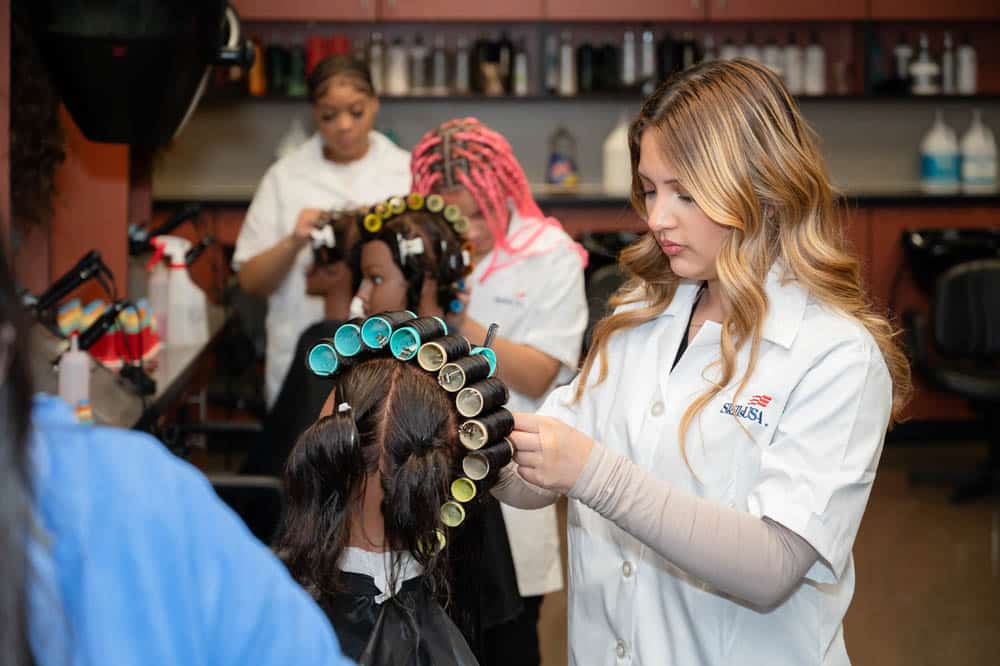
For students in Human Services, Signing Day celebrates students pursuing roles to serve individuals, families, and communities. Chapters can celebrate students in many ways – see examples below!
 SkillsUSA National Signing Day (NSD) is a nationwide celebration honoring the next generation of skilled professionals. This event allows students to publicly commit to their career paths – whether that’s a job offer, internship/apprenticeship, or advancing in CTE/technical training. It elevates the visibility of skilled trades, celebrates student success, and strengthens the connection between education, industry, and community.
Student Eligibility
 Eligibility for students in the Information Technology pathway might look like:
Progressing in the Information Technology Pathway
Students advancing within or between foundational and specialized courses such as:
Work-Based Learning, Apprenticeships & Industry Training
Students committing to:
Employment Commitments
Students accepting:
Postsecondary Education Commitments
Students committing to:
Why Signing Day Matters for Information Technology
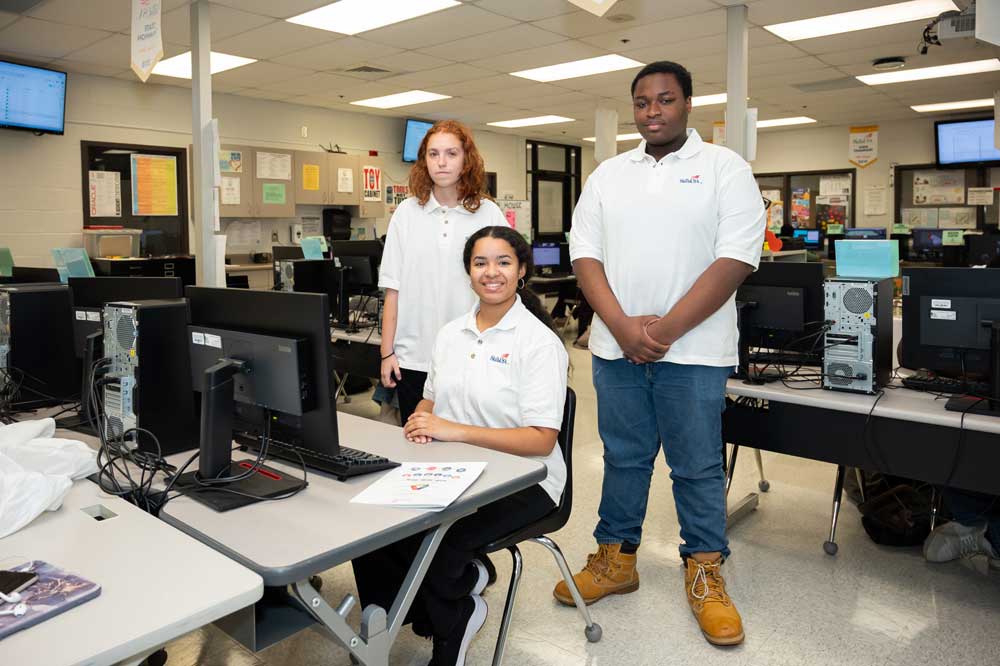
For students in Information Technology, Signing Day highlights students pursuing cybersecurity, networking, programming, tech support, and more. Chapters can celebrate students in many ways – see examples below!
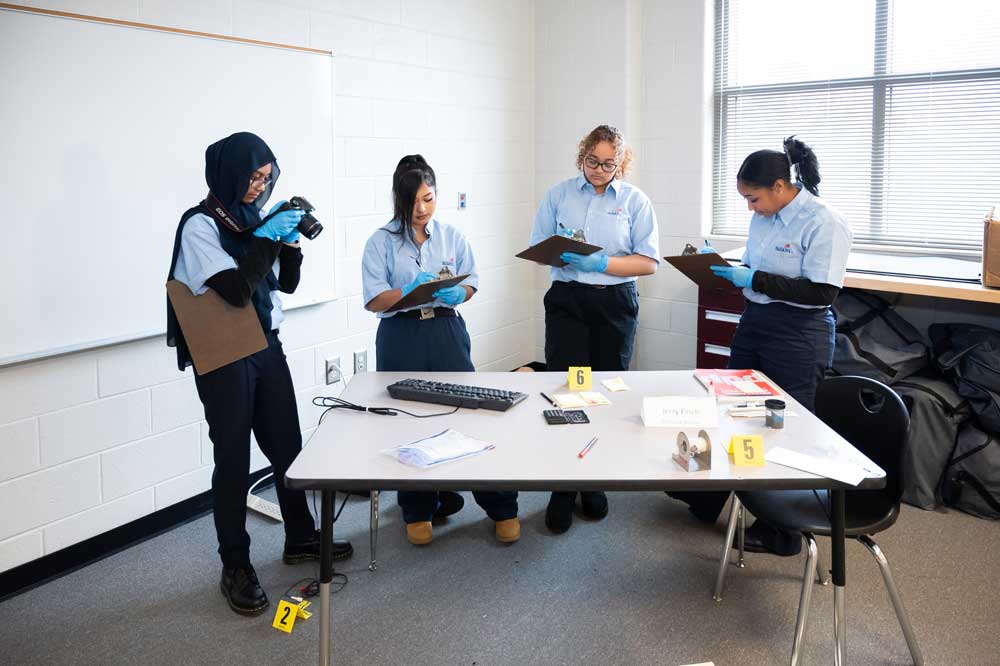 SkillsUSA National Signing Day (NSD) is a nationwide celebration honoring the next generation of skilled professionals. This event allows students to publicly commit to their career paths – whether that’s a job offer, internship/apprenticeship, or advancing in CTE/technical training. It elevates the visibility of skilled trades, celebrates student success, and strengthens the connection between education, industry, and community.
Student Eligibility
 Eligibility for students in the Law, Public Safety, Corrections & Security pathway might look like:
Progressing in the Law & Public Safety Pathway
Students advancing within or between foundational and specialized courses such as:
Work-Based Learning, Apprenticeships/Internships & Industry Training
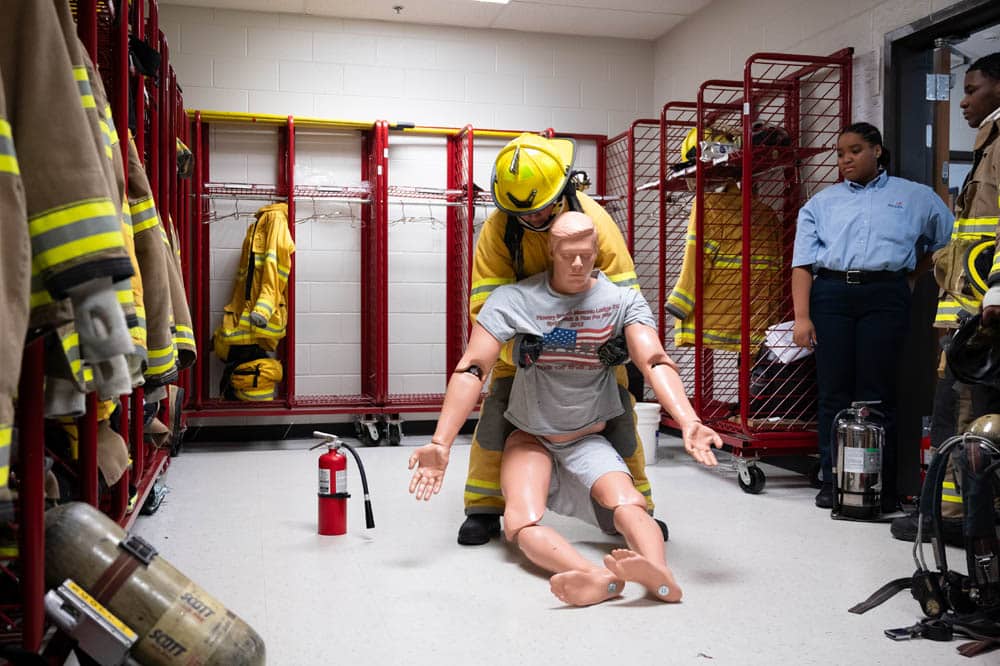 Students committing to:
Employment Commitments
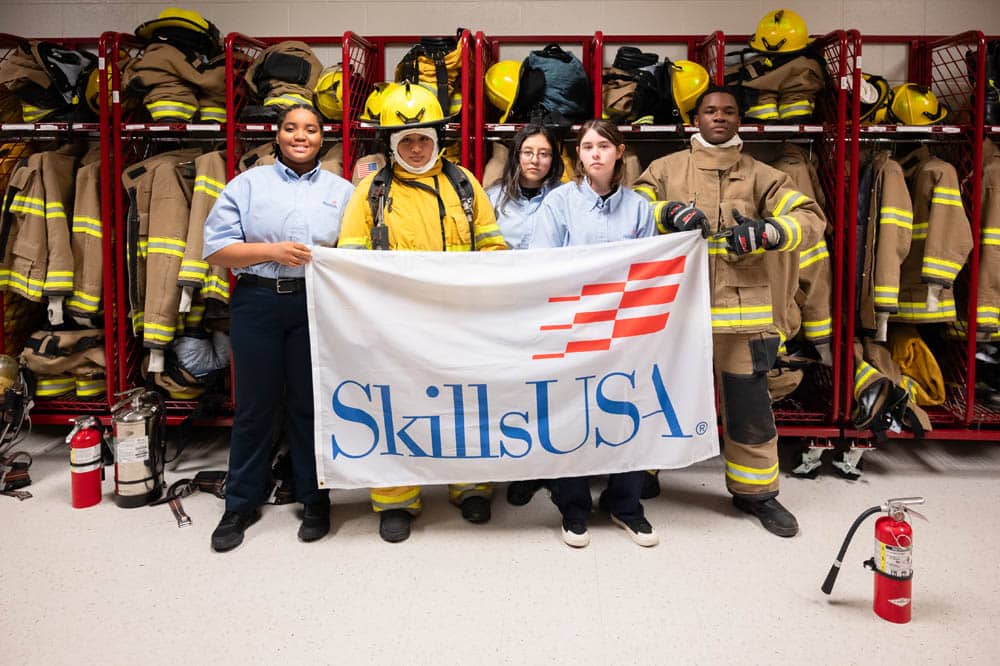 Students accepting:
Postsecondary Education Commitments
Students committing to:
Why Signing Day Matters for Law & Public Safety
For students in Law, Public Safety, Corrections & Security, Signing Day celebrates students pursuing law enforcement, firefighting, emergency response, community protection, and more. Chapters can celebrate students in many ways – see examples below!
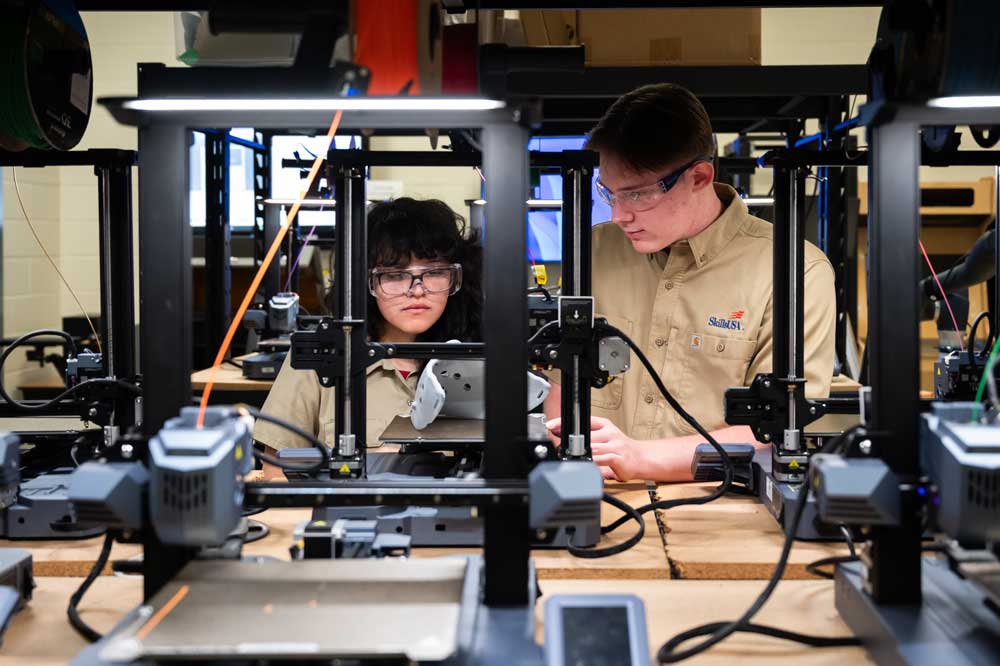 SkillsUSA National Signing Day (NSD) is a nationwide celebration honoring the next generation of skilled professionals. This event allows students to publicly commit to their career paths – whether that’s a job offer, internship/apprenticeship, or advancing in CTE/technical training. It elevates the visibility of skilled trades, celebrates student success, and strengthens the connection between education, industry, and community.
Student Eligibility
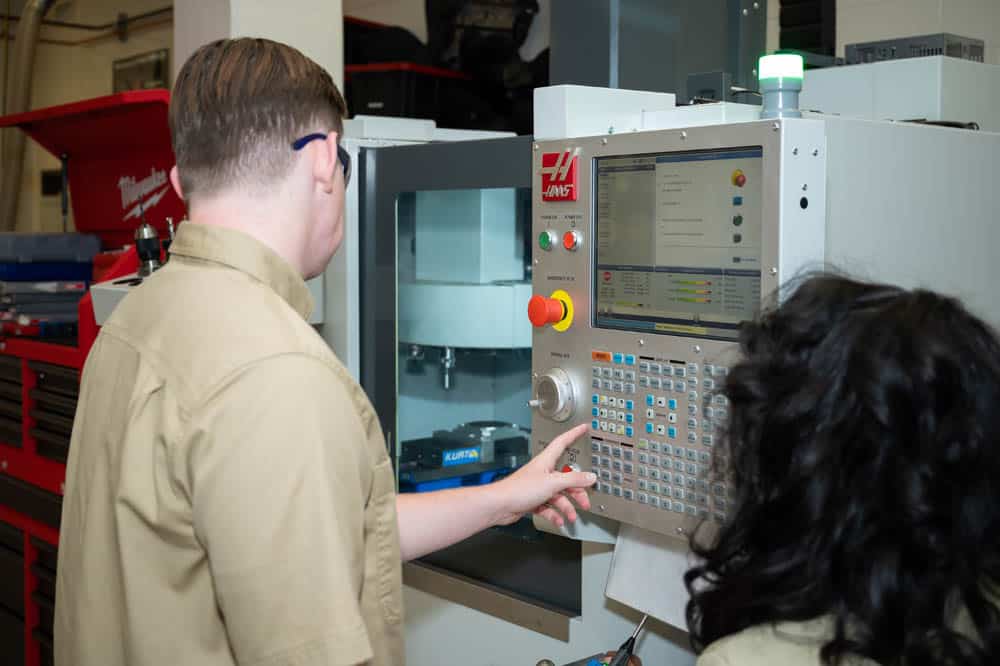 Eligibility for students in the Manufacturing pathway might look like:
Progressing in the Manufacturing Pathway
Students advancing within or between foundational and specialized programs such as:
Work-Based Learning, Apprenticeships/Internships & Industry Training
Students committing to:
Employment Commitments
Students accepting:
Postsecondary Education Commitments
Students committing to:
Why Signing Day Matters for Manufacturing
For students in Manufacturing, Signing Day highlights students pursuing welding, machining, fabrication, production technologies, and more. Chapters can celebrate students in many ways – see examples below!
 SkillsUSA National Signing Day (NSD) is a nationwide celebration honoring the next generation of skilled professionals. This event allows students to publicly commit to their career paths – whether that’s a job offer, internship/apprenticeship, or advancing in CTE/technical training. It elevates the visibility of skilled trades, celebrates student success, and strengthens the connection between education, industry, and community.
Student Eligibility
Eligibility for students in the Marketing, Sales & Service pathway might look like:
Progressing in the Marketing, Sales & Service Pathway
Students advancing within or between foundational and specialized courses such as:
Work-Based Learning, Apprenticeships & Industry Training
Students committing to:
Employment Commitments
Students accepting:
Postsecondary Education Commitments
Students committing to:
Why Signing Day Matters for Marketing, Sales & Service
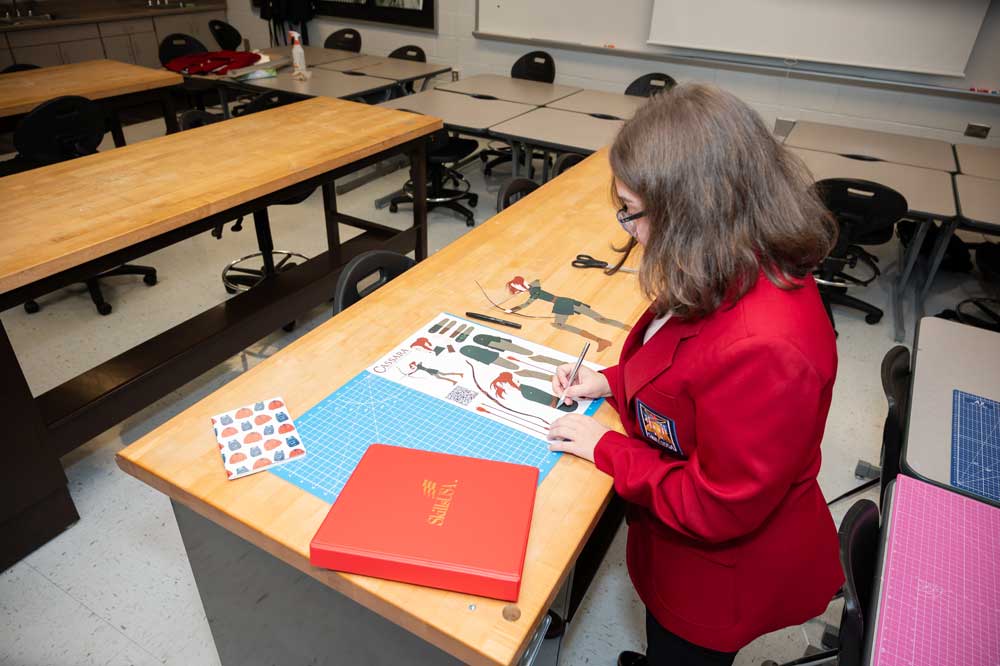
For students in Marketing, Sales & Service, Signing Day celebrates students pursuing communication, customer engagement, entrepreneurship, brand strategy, and more. Chapters can celebrate students in many ways – see examples below!
 SkillsUSA National Signing Day (NSD) is a nationwide celebration honoring the next generation of skilled professionals. This event allows students to publicly commit to their career paths – whether that’s a job offer, internship/apprenticeship, or advancing in CTE/technical training. It elevates the visibility of skilled trades, celebrates student success, and strengthens the connection between education, industry, and community.
Student Eligibility
Eligibility for students in the STEM pathway might look like:
Progressing in a STEM Pathway
 Students advancing within or between foundational and specialized courses such as:
Work-Based Learning, Apprenticeships & Industry Training
Students committing to:
Employment Commitments
Students accepting:
Postsecondary Education Commitments
Students committing to:
Why Signing Day Matters for STEM
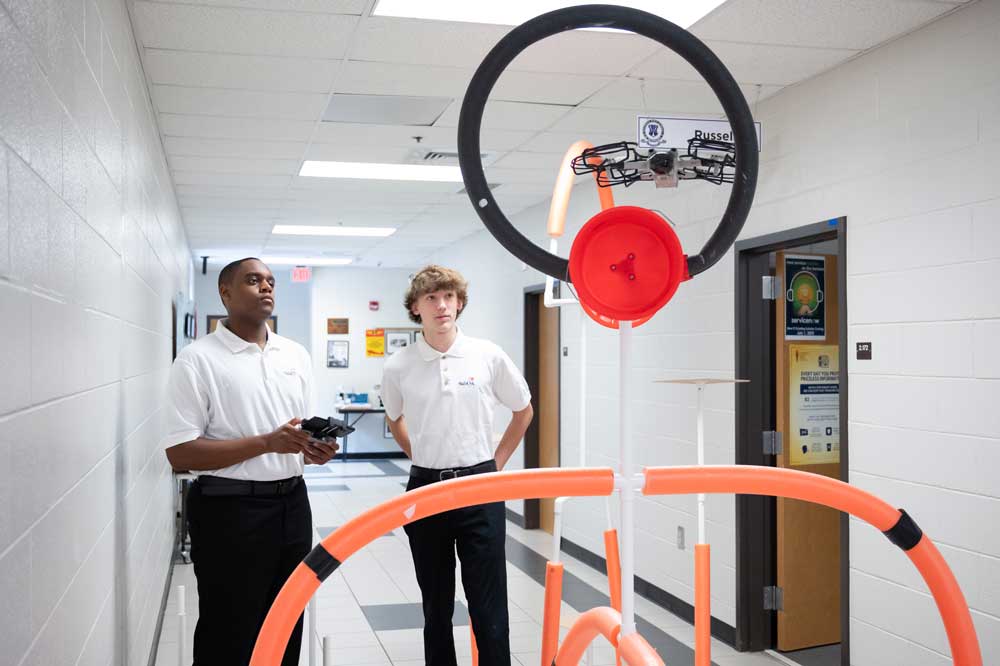
For students in STEM, Signing Day recognizes students pursuing engineering, robotics, drones, and more. Chapters can celebrate students in many ways – see examples below!
 SkillsUSA National Signing Day (NSD) is a nationwide celebration honoring the next generation of skilled professionals. This event allows students to publicly commit to their career paths – whether that’s a job offer, internship/apprenticeship, or advancing in CTE/technical training. It elevates the visibility of skilled trades, celebrates student success, and strengthens the connection between education, industry, and community.
Student Eligibility
Eligibility for students in the Transportation, Distribution & Logistics pathway might look like:
Progressing in the Transportation Pathway
 Students advancing within or between foundational and specialized courses such as:
Work-Based Learning, Apprenticeships/Internships & Industry Training
 Students committing to:
Employment Commitments
Students accepting:
Postsecondary Education Commitments
Students committing to:
Why Signing Day Matters for Transportation, Distribution & Logistics
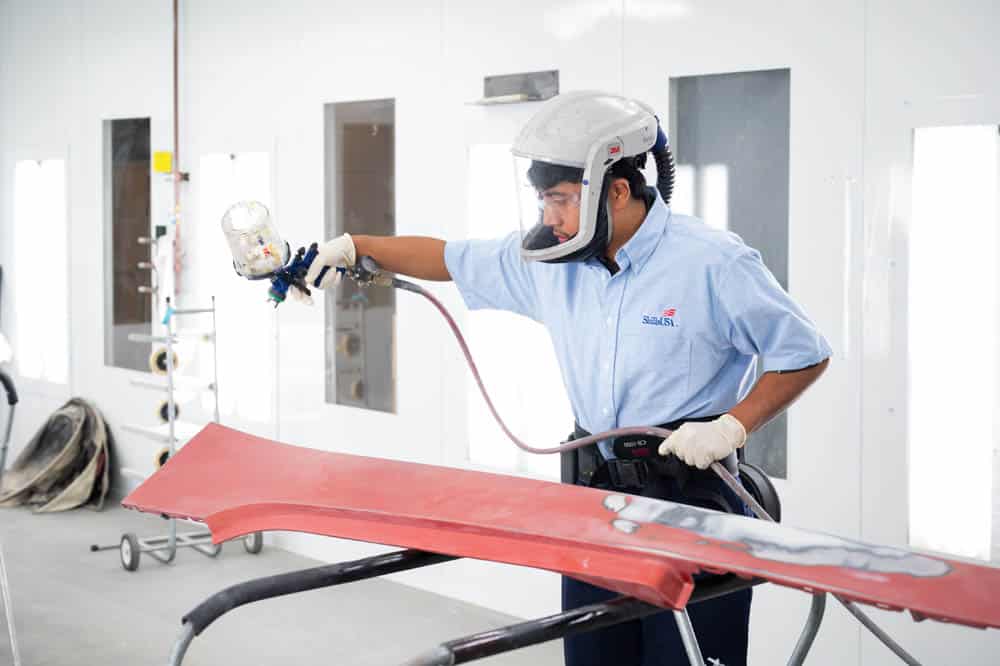
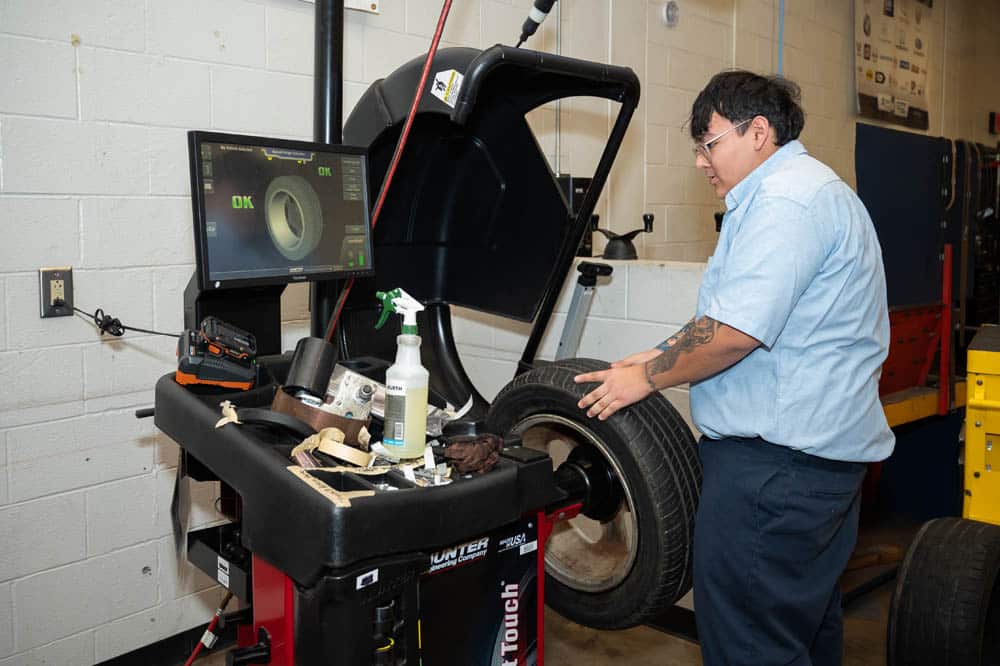
For students in Transportation, Distribution & Logistics, Signing Day celebrates students pursuing automotive, diesel, aviation, logistics, collision repair, and more. Chapters can celebrate students in many ways – see examples below!