Skills USA logo
Skills USA mobile logo
SkillsUSA National Signing Day

The Spotlight Skilled Professionals Deserve

SkillsUSA National Signing Day

May 5, 2027

… or another date of your chapter’s choosing.

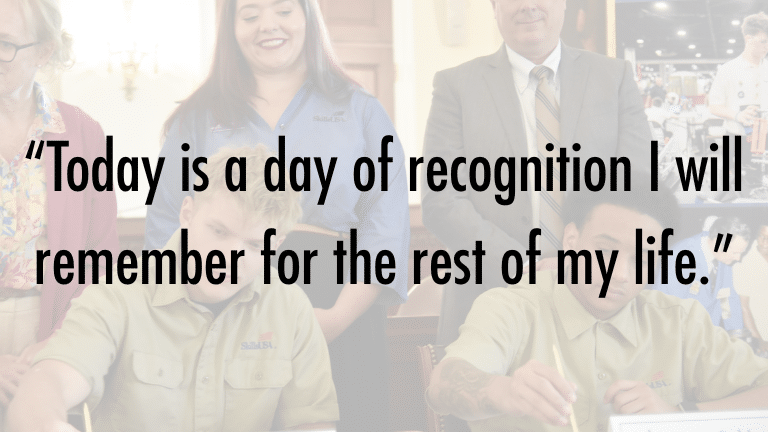
“Today is a day of recognition I will remember for the rest of my life.”

SkillsUSA National Signing Day is a nationwide celebration showcasing our next generation of skilled professionals and the skilled career paths that have been, are and always will be essential to America’s future. Local SkillsUSA chapters are encouraged to host a Signing Day event and invite business partners, school administrators, teachers, elected officials, SkillsUSA alumni, family and friends to honor students as they sign letters of intent for a job offer, internship/apprenticeship or advancing in CTE/technical training.

Image of torn, rolled back paper. Underneath it says New resources coming soonSkillsUSA National Signing Day is an event that local chapters plan and host themselves, but you don’t have to go it alone. SkillsUSA is excited to offer an arsenal of resources and incentives to help make your event a success!
Registration

Register your chapter through the SkillsUSA registration portal.
  • How to register for National Signing Day
  • Early bird registration is March 1- March 31. First 20 to register 10 students will receive a National Signing Day incentive.
  • First 3000 student signers registered by the early bird deadline will receive the official National Signing Day hat.
  • Registration closes May 3.

Celebrating Every Skill, Every Future

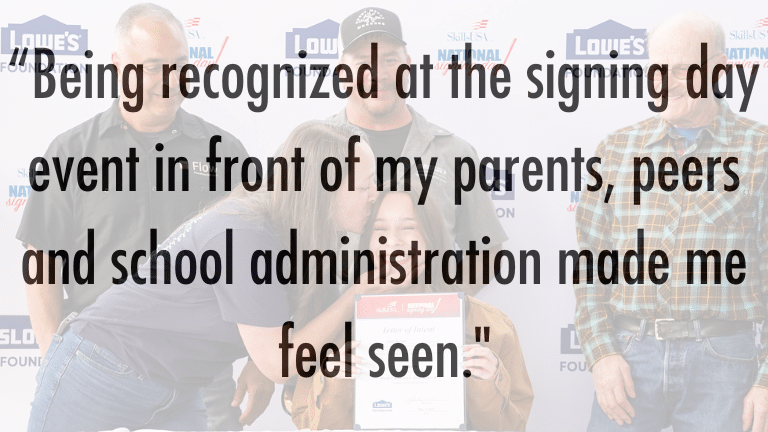
“Being recognized at the signing day event in front of my parents, peers and school administration made me feel seen."SkillsUSA’s 16 career clusters represent a wide range of programs, pathways, and student aspirations, and National Signing Day (NSD) is a moment to celebrate all of them. Because each cluster includes diverse specialties, certifications, and training sequences, NSD may look different from school to school. While we worked closely with multiple advisors to develop these examples, we recognize that no list can fully capture every program or pathway offered nationwide. Our goal is to provide chapters with a clear starting point: an overview of which students may be eligible and inspiration for how each cluster might honor their signers.
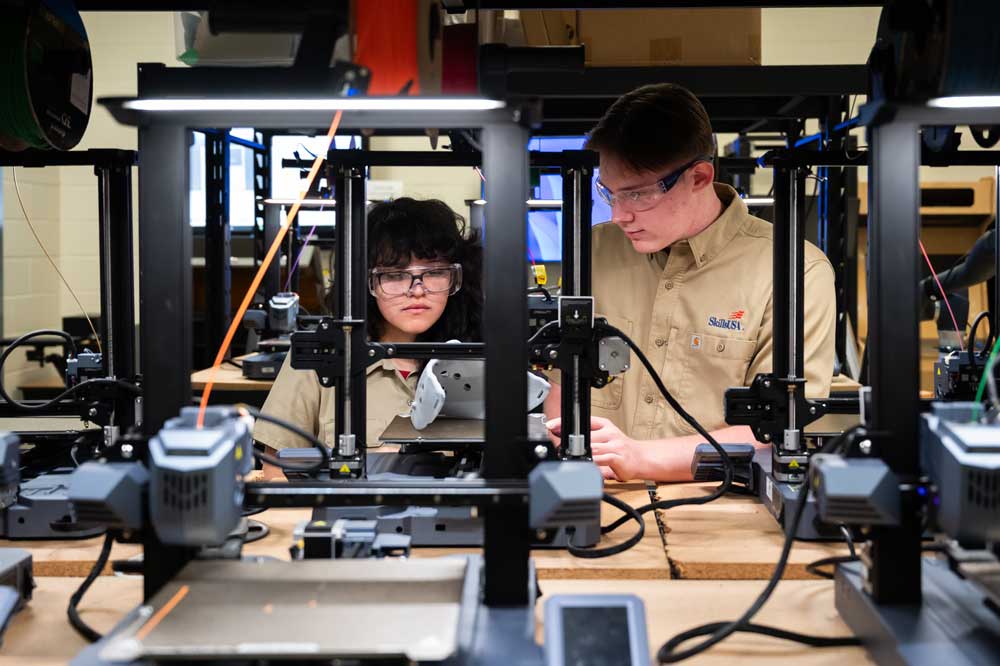
Two manufacturing students work at a machine.

SkillsUSA National Signing Day (NSD) is a nationwide celebration honoring the next generation of skilled professionals. This event allows students to publicly commit to their career paths – whether that’s a job offer, internship/apprenticeship, or advancing in CTE/technical training. It elevates the visibility of skilled trades, celebrates student success, and strengthens the connection between education, industry, and community.

Student Eligibility
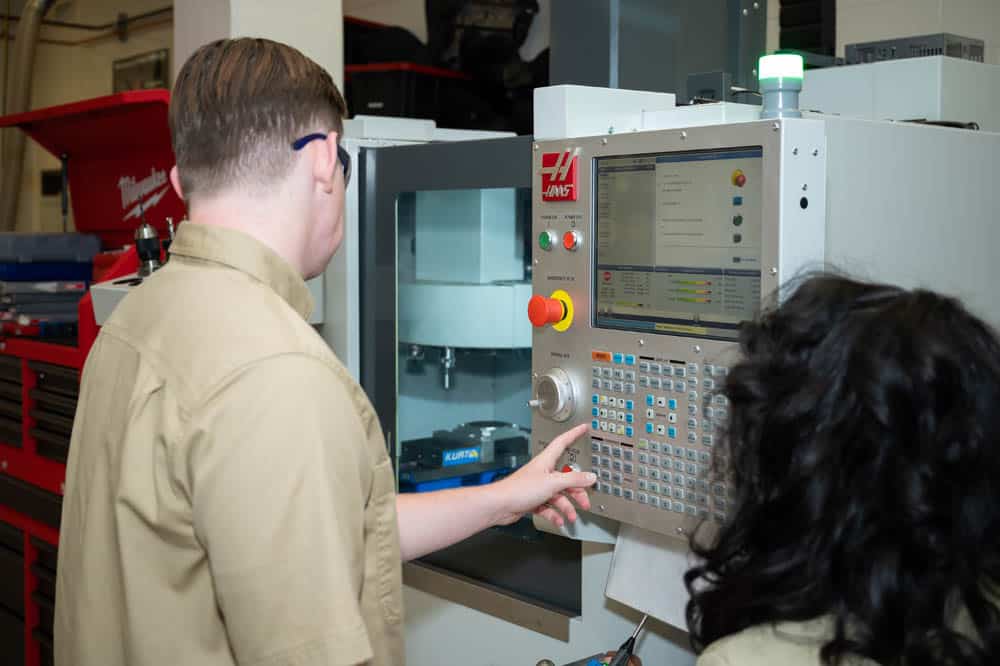
Eligibility for students in the Advanced Manufacturing pathway might look like:

Progressing in the Advanced Manufacturing Pathway

Students advancing within or between foundational and specialized programs such as:

  • Automated Manufacturing Technology, Industrial Motor Control, Chemical Tech, Major Appliance Technology, Clothing Management Production, Mechatronics (Industrial Maintenance Tech), CNC Milling, Metal Fabrication, CNC Turning, Metallurgy, Commercial Sewing, Metalworking, Electromechanical Technology, Precision Mach Technology, Electronics Applications, Robotics & Automation Tech, Electronics Occupations, Technical Drafting, Engineering Related Technology, Textile Production, Industrial Electricity, Upholstering
  • Level progression (e.g., Welding I → Welding II, Machining I → Machining II, Manufacturing Tech → Advanced Manufacturing, Engineering Foundations → Engineering Concepts → Engineering Applications)
  • Completing sequences or moving into focused coursework such as:
    • Tool identification & safety
    • Precision measurement
      Multimeter usage
    • Basic robotics or automation
    • Shop readiness and equipment operation
  • Preparing for and completing the End of Pathway Assessments (EOPA)

Work-Based Learning, Apprenticeships/Internships & Industry Training

Students committing to:

  • Internships, apprenticeships, or work-based learning in manufacturing, machining, robotics, or industrial maintenance
  • Industry-recognized certifications such as:
    • OSHA 10 (General Industry)
    • NC3 Certifications
    • Industry 4.0 Certification
    • Precision Measurement Instruments (PMI)
    • SNAP-ON Multimeter Certification
    • Haas Basic Mill Operator Certification
    • Fundamentals of Manufacturing
    • AC/DC Electrical

Employment Commitments

Students accepting:

  • Roles in welding, machining, fabrication, CNC operation, or industrial maintenance
  • Production technician roles in manufacturing plants
  • Robotics/automation technician assistant roles
  • Positions in assembly, production, or quality control
  • Positions in shipping, receiving, assembly, or quality control
  • Maintenance helper or tool-room technician positions

Postsecondary Education Commitments

Students committing to:

  • Technical or community college programs in Precision Manufacturing, Machining, Mechatronics, Robotics, or Industrial Systems
  • Four-year degrees in Engineering, Industrial Technology, or Manufacturing Engineering
  • Dual enrollment pathways supporting manufacturing fields

Why Signing Day Matters for Advanced Advanced Manufacturing

For students in Advanced Manufacturing, Signing Day highlights students pursuing machining, fabrication, production technologies, and more. Chapters can celebrate students in many ways – see examples below!
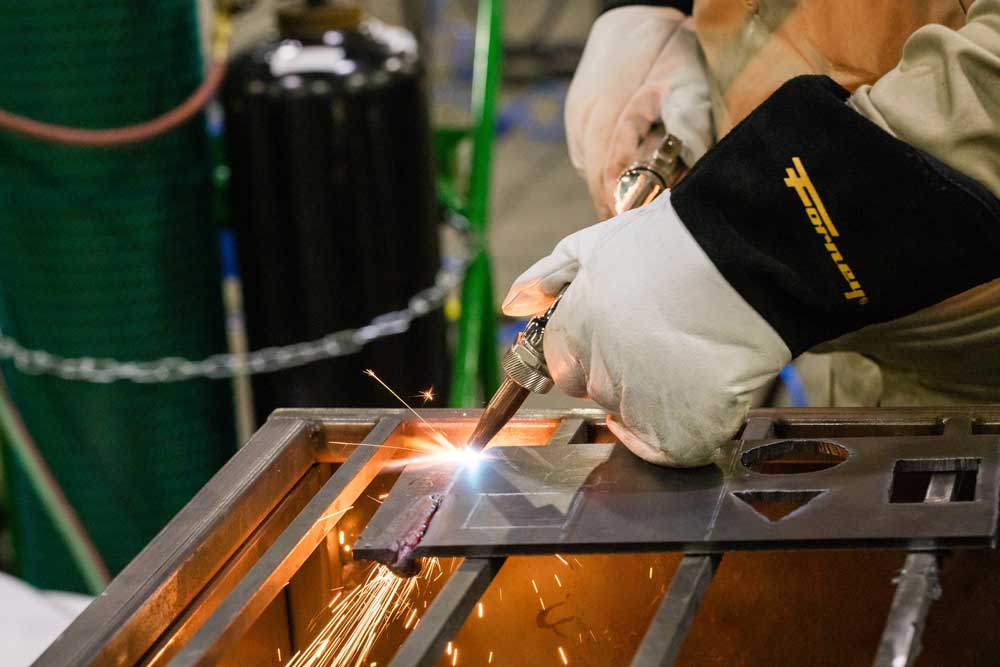
Close of of welding a piece of metal.

SkillsUSA National Signing Day (NSD) is a nationwide celebration honoring the next generation of skilled professionals. This event allows students to publicly commit to their career paths – whether that’s a job offer, internship/apprenticeship, or advancing in CTE/technical training. It elevates the visibility of skilled trades, celebrates student success, and strengthens the connection between education, industry, and community.

Student Eligibility

Eligibility for students in the Agriculture pathway might look like:

Progressing in an Agriculture Pathway

Students advancing within or between foundational and specialized courses, such as:

  • Agricultural Mechanics, Agriculture, Animal Sciences, Farm Mechanics, Food Management /Production/Nutrition, Forestry, Horticulture
  • Level progression (e.g., Ag Science I → Ag Science II)

Work-Based Learning, Apprenticeships/Internships, or Industry Training

Students committing to:

  • Industry-recognized credentials tied to ag pathways (e.g., First Aid/CPR for fisheries, equipment safety, animal care handling)
  • Apprenticeships or pre-apprenticeships in ag mechanics, greenhouse operations, forestry, conservation, or fisheries
  • Internships or supervised agricultural experiences (SAEs), including roles with hardware stores, nurseries, farms, wholesale distribution, seafood operations, land/wildlife management agencies
  • Part-time or full-time placements connected to their pathway (including family businesses)

Employment Commitments

Students accepting:

  • Seasonal, part-time, or full-time roles in agricultural Mechanics, Agriculture, Animal Sciences, Farm Mechanics, Food Management/Production/Nutrition, Forestry and Horticulture

Postsecondary Education Commitments

Students committing to:

  • Technical or community college programs (e.g., ABAC, vet tech, wildlife tech, ag mechanics, horticulture)
  • University programs such as Agribusiness, Animal Science, Environmental Science, Fisheries & Wildlife Management, Forestry, or Natural Resources
  • Industry training or service pathways tied to agriculture, forestry, or natural resource management

Why Signing Day Matters for Agriculture

For students in Agriculture, Signing Day celebrates students pursuing agricultural mechanics, animal and plant science, food production, forestry, and more. Chapters can celebrate students in many ways – see examples below!
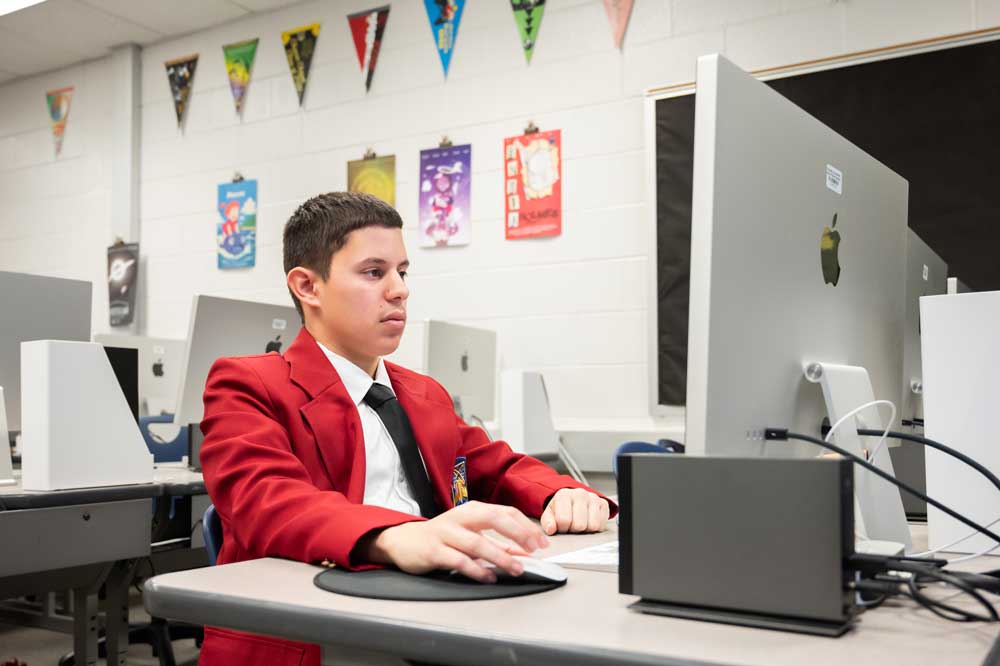
A student works at a computer.

SkillsUSA National Signing Day (NSD) is a nationwide celebration honoring the next generation of skilled professionals. This event allows students to publicly commit to their career paths – whether that’s a job offer, internship/apprenticeship, or advancing in CTE/technical training. It elevates the visibility of skilled trades, celebrates student success, and strengthens the connection between education, industry, and community.

Student Eligibility

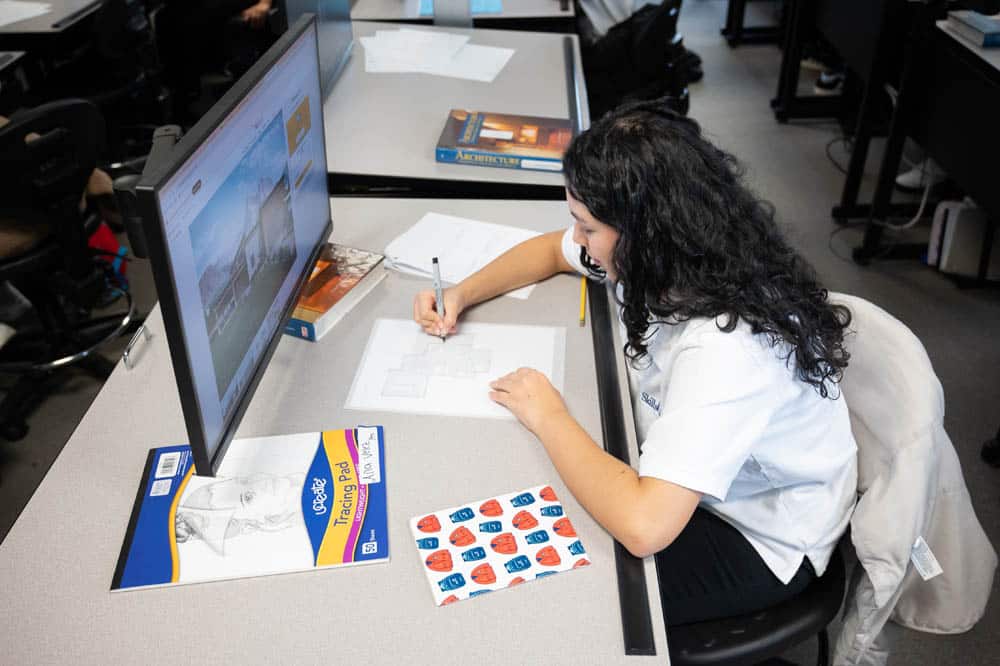
Eligibility for students in the Arts, Entertainment, & Design pathway might look like:

Progressing in the Arts, Entertainment, & Design Pathway
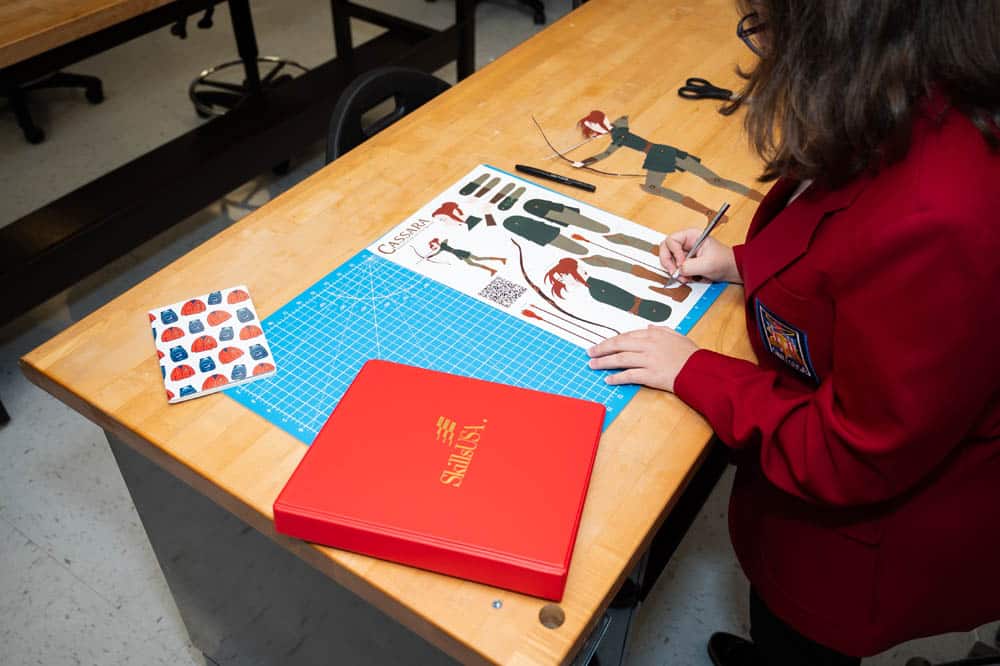
Students advancing within or between foundational and specialized courses such as:

  • 3D Visualization & Animation, Interior Design, Advertising Design (Comm. Art), Mass Media, Audio Production, Media Technology, Audio Visual Technology, Printing (Operator/Plate Making), Broadcast News Production, Radio Broadcasting, Desktop Publishing, Stagecraft, Fashion Design, TV (Video) Production, Graphic Communications, Video Game Design, Photography
  • 3D Visualization & Animation, Interior Design, Advertising Design (Comm. Art), Mass Media, Audio Production, Media Technology, Audio Visual Technology, Printing (Operator/Plate Making), Broadcast News Production, Radio Broadcasting, Desktop Publishing, Stagecraft, Fashion Design, TV (Video) Production, Graphic Communications, Video Game Design, Photography
  • 3D Visualization & Animation, Interior Design, Advertising Design (Comm. Art), Mass Media, Audio Production, Media Technology, Audio Visual Technology, Printing (Operator/Plate Making), Broadcast News Production, Radio Broadcasting, Desktop Publishing, Stagecraft, Fashion Design, TV (Video) Production, Graphic Communications, Video Game Design, Photography
  • Level progression (e.g., Media I → Media II, Graphic Design I → II, AVTF I → II → II)
  • Completing sequences or moving into focused coursework such as:
    • Audio/Video Production & Editing
    • Studio Broadcasting & Live Production
    • Digital Design, Animation, or Motion Graphics
    • Photography, Lighting, & Visual Composition

Work-Based Learning, Apprenticeships/Internships & Industry Training
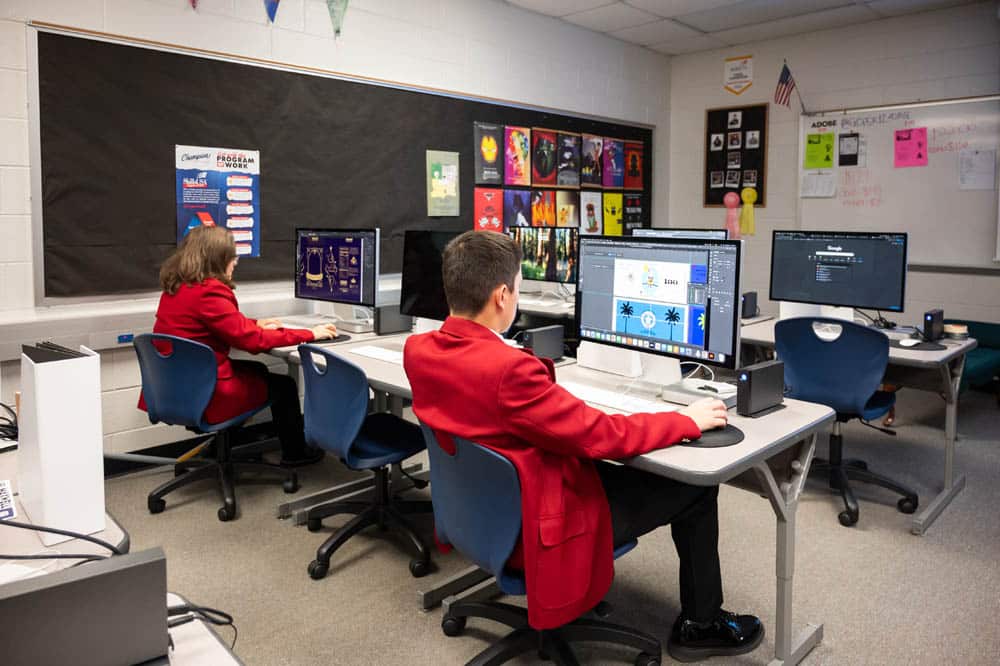
Students committing to:

  • In-school or community-based internships (studio, editing lab, photography, school broadcast team)
  • Internships with local cable channels, newsroom support teams, or production companies
  • Entering capstone or project-based courses such as AVTF IV or in-class professional-style projects that simulate industry roles (multi-camera shoots, event broadcasts, school news shows)
  • Completing multi-semester pathways that include studio work, portfolio development, or a supervised internship

Employment Commitments

Students accepting:

  • Roles in media, production, or design such as:
    • Background/extra work
    • Boom operator or utility assistant
    • Live event camera operator
    • Production assistant
    • Graphic design or photography assistant
    • Podcast production assistant
    • Video editor
    • Lighting tech
    • School broadcast crew member
  • Freelance or contract opportunities in photography, editing, content creation, or student media production
  • Specialized industry internships (e.g., Turner Broadcasting, local media houses)

Postsecondary Education Commitments

Students committing to:

  • Technical college or community college programs in media, design, broadcast, animation, film, or digital communications
  • Four-year university programs in film, journalism, media arts, communications, animation, or graphic design
  • Dual enrollment programs supporting media and design
  • Blended academic pathways (e.g., engineering major who continues photography or media on the side)

Why Signing Day Matters for Arts, Entertainment, & Design

For students in Arts, Entertainment, & Design, Signing Day celebrates students pursuing media, design, animation, production, and more. Chapters can celebrate students in many ways – see examples below!
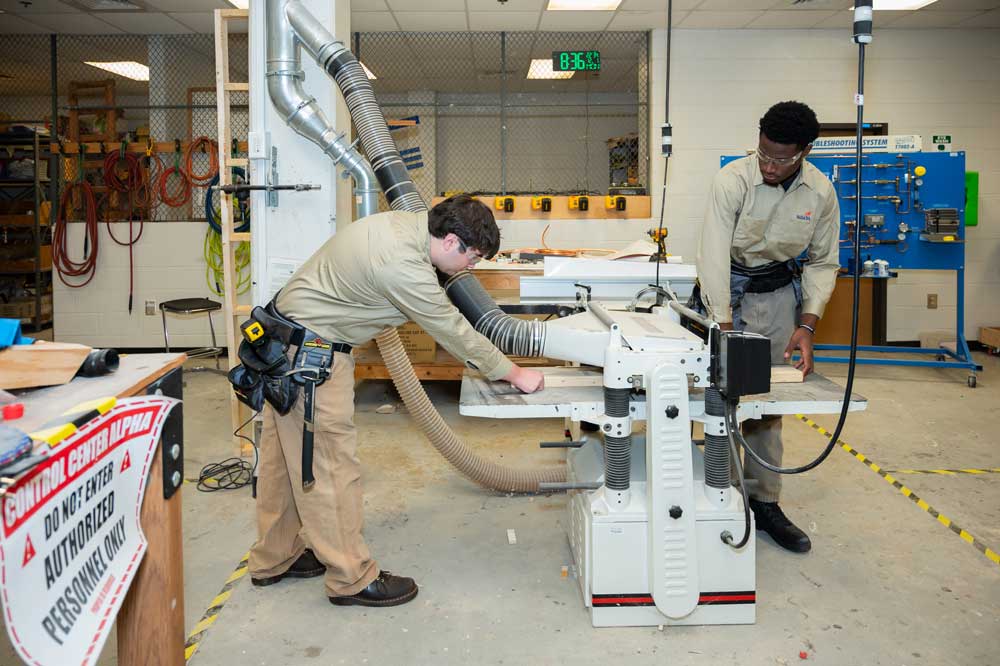
Students working on a machine.SkillsUSA National Signing Day (NSD) is a nationwide celebration honoring the next generation of skilled professionals. This event allows students to publicly commit to their career paths – whether that’s a job offer, internship/apprenticeship, or advancing in CTE/technical training. It elevates the visibility of skilled trades, celebrates student success, and strengthens the connection between education, industry, and community.

Student Eligibility

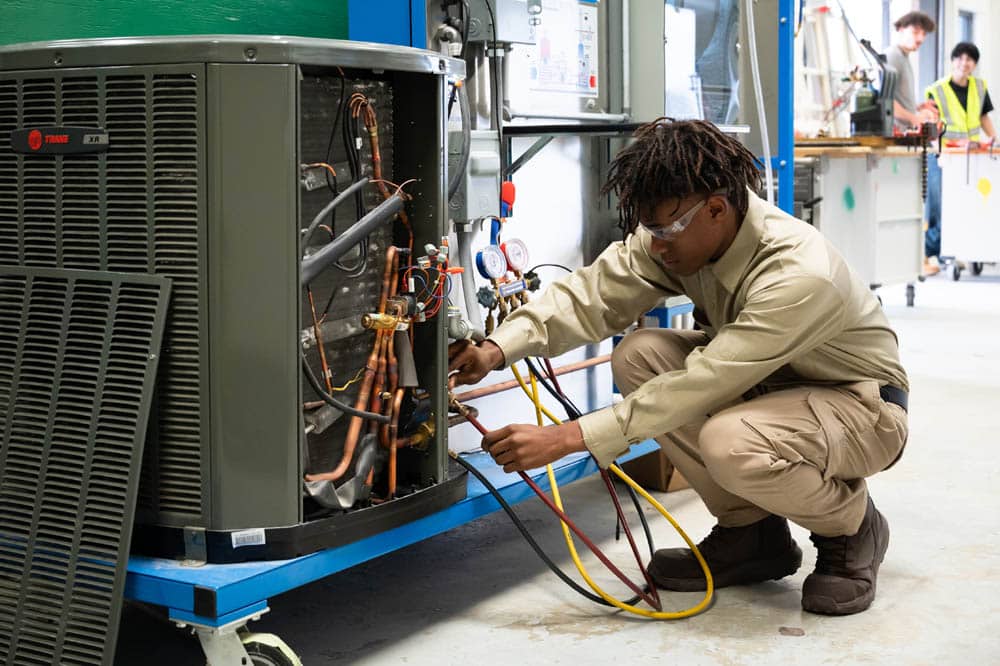
Eligibility for students in the Construction pathway might look like:

Progressing in the Construction Pathway
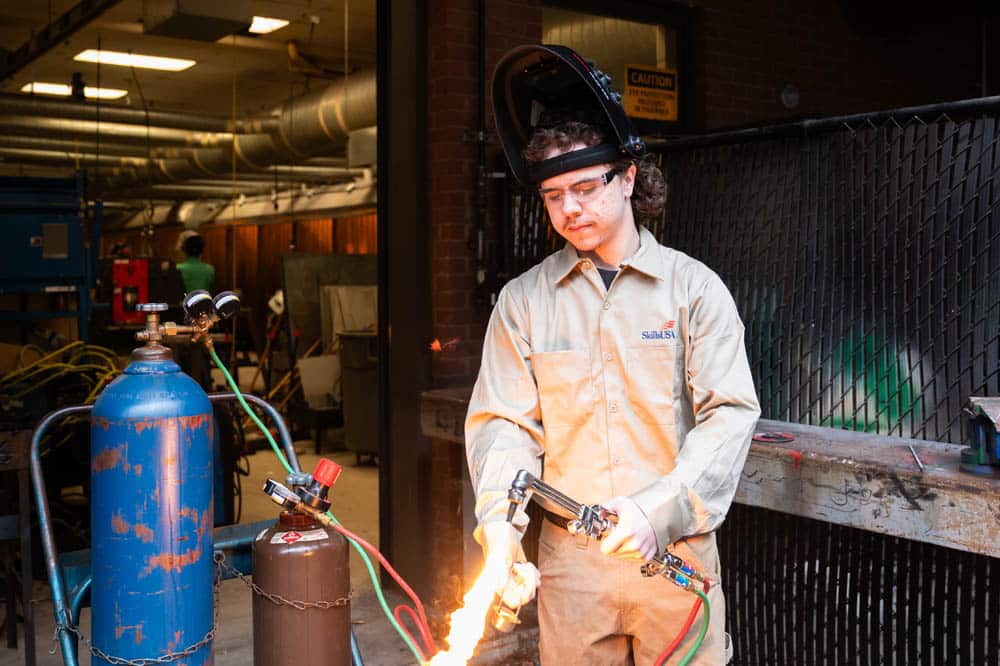
Students advancing within or between foundational and specialized courses such as:

  • Architectural Drafting, HVACR (Heat-Vent-A/C-Refrigeration), Architectural Technology, Landscaping, Building Trades & Renovations, Masonry, Cabinetmaking, Painting & Decorating, Carpentry, Plumbing, Civil Tech, Residential Wiring, Drafting, Sheet Metal, Electrical Technology, Welding, Heavy Equipment Operator, Woodworking
  • Level progression (e.g., Carpentry I → Carpentry II, Architecture I → Architecture II) 
  • Completing sequences or moving into focused coursework such as:
    • Industry Fundamentals & Occupational Safety
    • Hand tools, power tools
    • Blueprint reading
    • Basic CAD 
  • Complete the End of Pathway Assessment

Work-Based Learning, Apprenticeships/Internships & Industry Training
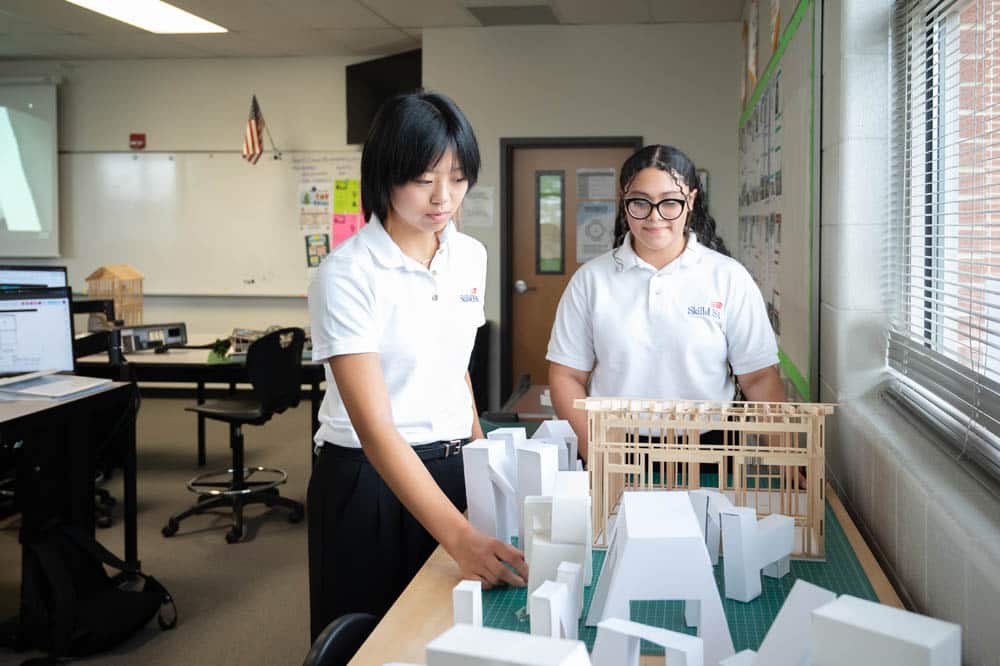
Students committing to:

  • Industry-recognized credentials or training such as:
    • NCCER Core or other NCCER modules
    • OSHA 10
    • First Aid/CPR
    • AutoCAD 
    • Revit
  • Serving as a classroom/shop/lab assistant/intern
  • Apprenticeships or pre-apprenticeships (union halls, trade programs, contractor associations)
  • Summer employment or workforce development programs (e.g., local contractor placements)
  • Internships in architectural drafting, construction, welding, remodeling, or community build projects
  • On-the-job training in residential or commercial construction environments

Employment Commitments

Students accepting:

  • Residential construction or remodeling positions
  • Entry-level carpentry, HVAC, electrical, masonry, welding, or general labor roles
  • CAD/drafting technician or design assistant positions
  • Field assistant roles on job sites or with local contracting firms

Postsecondary Education Commitments

Students committing to:

  • Technical college or community college programs in construction, welding, drafting, HVAC, electrical, or architecture
  • University programs in Architecture, Construction Management, Engineering, or related design fields
    Union training centers or trade schools
  • Dual enrollment programs supporting construction or architectural training

Why Signing Day Matters for Construction

For students in Construction, Signing Day highlights students pursuing masonry, carpentry, plumbing, architecture, welding, and more. Chapters can celebrate students in many ways – see examples below!
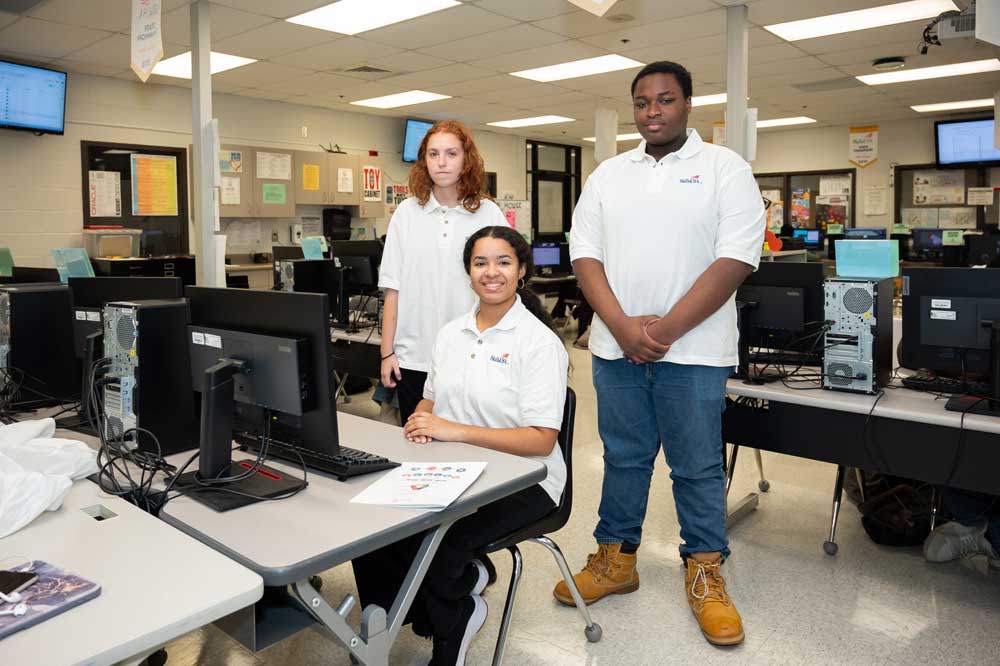
 

Three students in a computer labeSkillsUSA National Signing Day (NSD) is a nationwide celebration honoring the next generation of skilled professionals. This event allows students to publicly commit to their career paths – whether that’s a job offer, internship/apprenticeship, or advancing in CTE/technical training. It elevates the visibility of skilled trades, celebrates student success, and strengthens the connection between education, industry, and community.

Student Eligibility
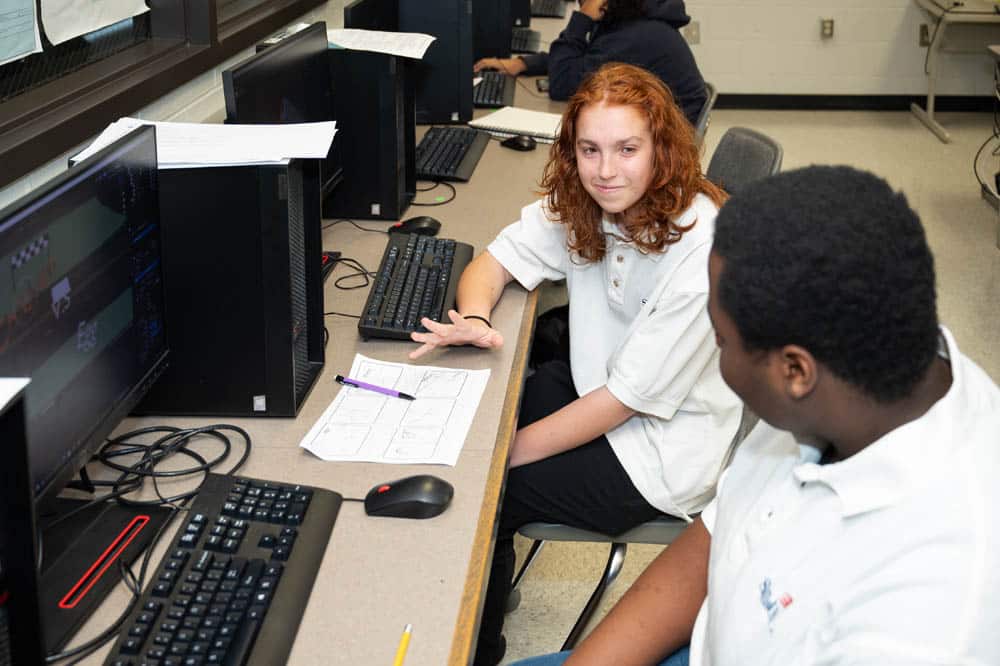
Eligibility for students in the Digital Technology pathway might look like:

Progressing in the Digital Technology Pathway

Students advancing within or between foundational and specialized courses such as:

  • Communications Systems Repair, Electronics Technology, Computer Maintenance Tech, Internetworking, Computer Networking, sUAS Drone, Computer Programming, Technical Computer Application, Computer Technology, Telecommunications Cabling, Cyber Security, Web Design
  • Level progression (e.g., IT Fundamentals → Networking I → Networking II, Cyber I → Cyber II)
  • Completing sequences or moving into focused coursework such as:
    • Network Systems
    • Database Foundations
    • Intro to Cloud Services
    • Hardware Maintenance & Repair
    • Digital Forensics

Work-Based Learning, Apprenticeships & Industry Training

Students committing to:

  • Internships or apprenticeships with school IT departments, local businesses, or cybersecurity teams
  • Help desk rotations, device repair roles, or classroom tech-support assignments
  • Industry training and certifications such as:
    • CompTIA ITF+, A+, Network+, or Security+
    • Cisco CCNA exploration
    • AWS or Google Cloud Foundations
  • Being chosen to participate in cyber challenges, coding labs, or real-world network setup projects

Employment Commitments

Students accepting:

  • Help desk or IT support roles
  • Network or systems technician positions
  • Computer repair or device-service jobs
  • Coding, web support, or junior software roles
  • Tech roles with local businesses or school districts

Postsecondary Education Commitments

Students committing to:

  • Technical or community college IT programs
  • Bachelor’s degree programs in Cybersecurity, Computer Science, Networking, or Information Systems
    Industry-led training, academies, or boot camps for coding or cybersecurity
  • Dual enrollment or early college pathways in IT

Why Signing Day Matters for Digital Technology

For students in Digital Technology, Signing Day highlights students pursuing Computer Programming, Cyber Security, Web Design, and more. Chapters can celebrate students in many ways – see examples below!
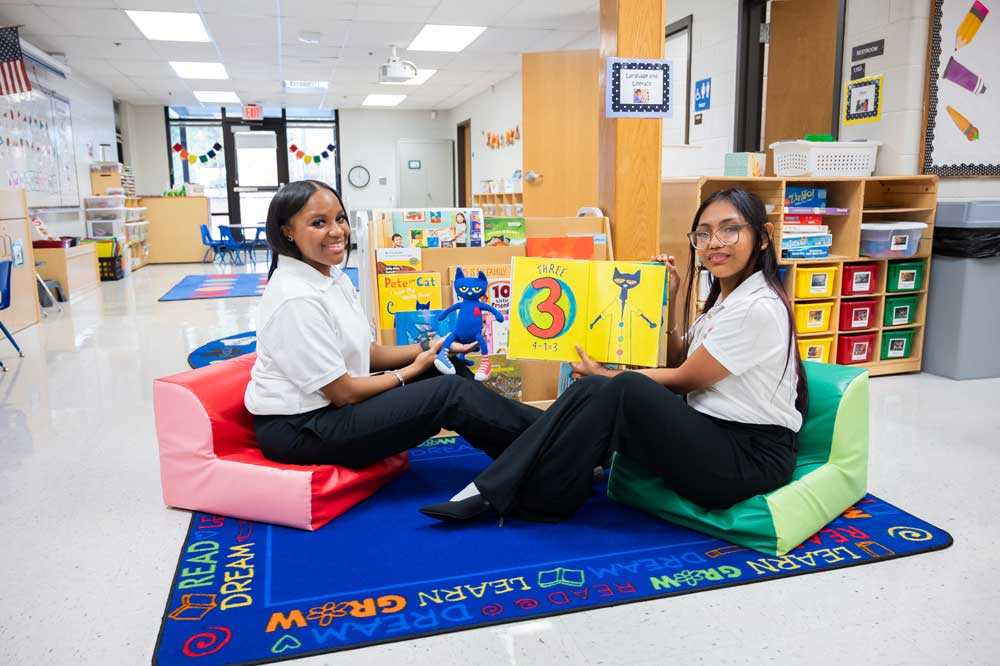
Two students sitting on a carpet in a childhood education class.SkillsUSA National Signing Day (NSD) is a nationwide celebration honoring the next generation of skilled professionals. This event allows students to publicly commit to their career paths – whether that’s a job offer, internship/apprenticeship, or advancing in CTE/technical training. It elevates the visibility of skilled trades, celebrates student success, and strengthens the connection between education, industry, and community.

Student Eligibility
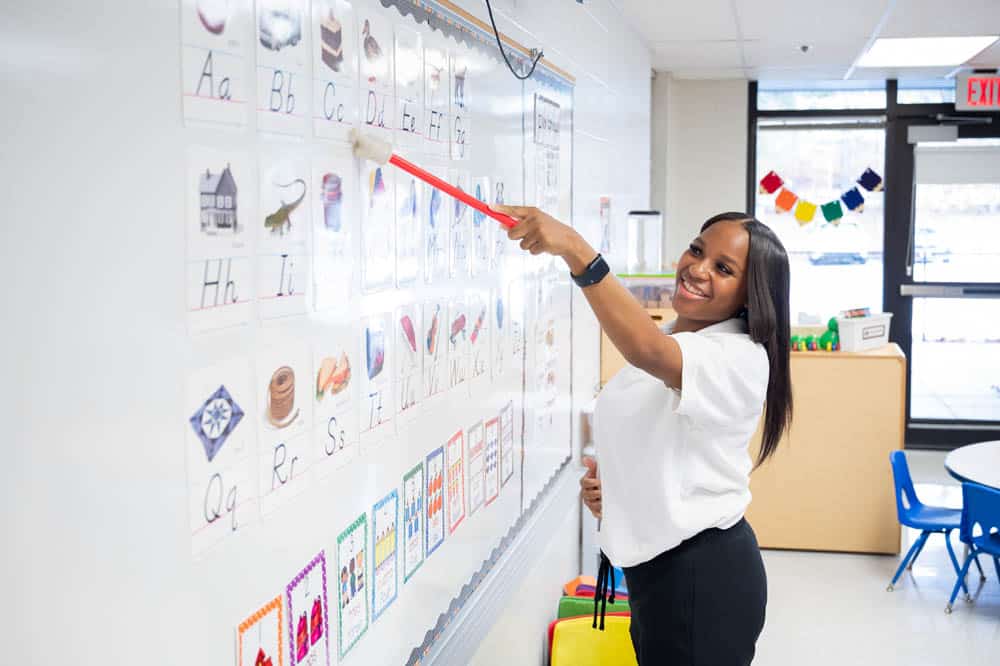
Eligibility for students in the Education pathway might look like:

Progressing in the Education Pathway

Students advancing within or between foundational and specialized courses such as:

  • Care & Guidance of Children, CTE Teacher Education, Preschool Teaching Assistant
  • Level progression (e.g., Education I → II, Early Childhood Education I → II)
  • Completing sequences or moving into focused coursework such as:
    • Foundations of Teaching & Learning
    • Instructional Practices & Classroom Strategies
    • Early Childhood Development & Guidance
    • Educational Internships / Practicum Experience
    • Curriculum, Assessment & Learning Design

Work-Based Learning, Apprenticeships & Industry Training
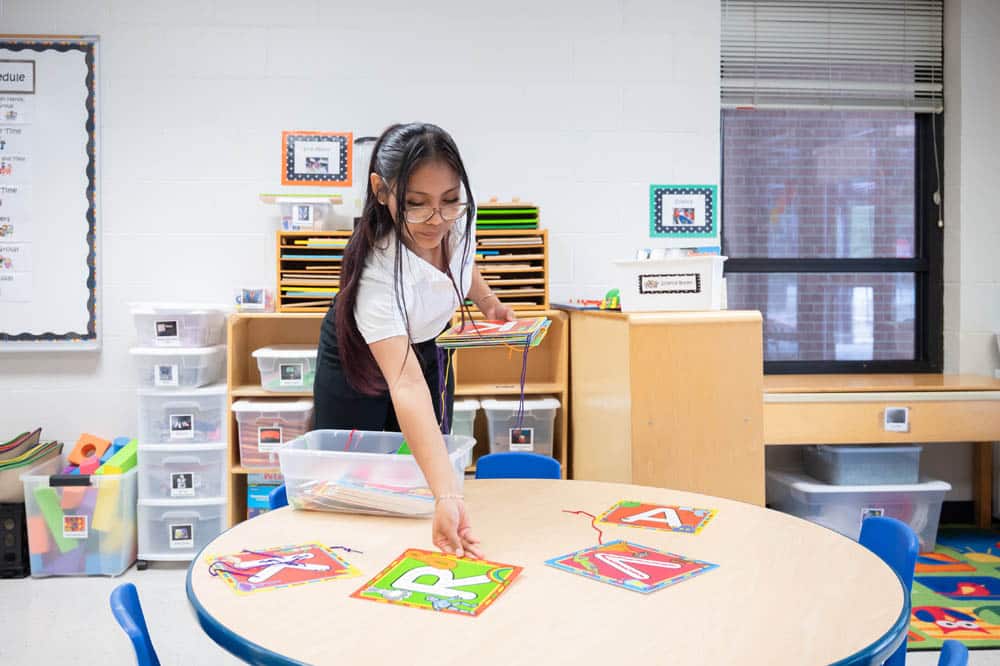
Students committing to:

  • Practicum placements or job-shadowing in early childhood centers, elementary schools, or after-school programs
  • Internships supporting instructional activities, tutoring, literacy centers, or educational technology labs
  • Teacher cadet or paraprofessional assistant programs
  • Early childhood licensing steps (e.g., CPR/First Aid, early educator training modules)
  • Dual-enrollment coursework in education or child development

Employment Commitments

Students accepting:

  • Early childhood support roles (classroom aide, daycare assistant, after-school program worker)
  • Instructional support positions (tutor, paraprofessional aide depending on district requirements)
  • Summer camp, youth program, or enrichment instruction roles
  • Childcare center positions with on-the-job training

Postsecondary Education Commitments

Students committing to:

  • Technical college or community college programs in Early Childhood Education, Paraprofessional Studies, etc.
  • University pathways leading to K–12 certification, Early Childhood Education, Special Education, or Educational Leadership
  • Dual-enrollment programs aligned to education careers
  • Programs preparing future educators, coaches, school counselors, and instructional leaders

Why Signing Day Matters for Education

For students in Education, Signing Day celebrates students pursuing Care & Guidance of Children, CTE Teacher Education, Preschool Teaching Assistant, and more. Chapters can celebrate students in many ways – see examples below!

SkillsUSA National Signing Day (NSD) is a nationwide celebration honoring the next generation of skilled professionals. This event allows students to publicly commit to their career paths – whether that’s a job offer, internship/apprenticeship, or advancing in CTE/technical training. It elevates the visibility of skilled trades, celebrates student success, and strengthens the connection between education, industry, and community.

Student Eligibility

Eligibility for students in the Energy & Natural Resources pathway might look like:

Progressing in the Energy & Natural Resources Pathway

Students advancing within or between foundational and specialized programs such as:

  • Electric Power Generating Plants, Environmental Control Tech, Geospatial Technology
  • Level progression (e.g., introductory energy systems → advanced power generation, introductory mapping → applied geospatial technology)
  • Completing sequences or moving into focused coursework such as:
  • Power generation systems and safety
  • Environmental monitoring and control
  • Geographic information systems (GIS), mapping, or surveying applications

Work-Based Learning, Apprenticeships/Internships & Industry Training

Students committing to:

  • Internships, apprenticeships, or supervised work-based learning with utilities, power generation facilities, environmental services organizations, or GIS/mapping teams
  • Industry training in workplace safety, environmental monitoring, power systems, or geospatial software

Employment Commitments

Students accepting:

  • Entry-level support roles in power generation or utility operations
  • Environmental monitoring or environmental services support positions
  • GIS, mapping, or surveying support roles

Postsecondary Education Commitments

Students committing to:

  • Technical or community college programs in power generation, energy technology, environmental technology, or geospatial technology
  • University programs in energy systems, environmental science, GIS, or related fields
  • Industry-led training or apprenticeships aligned to energy and natural resource careers

Why Signing Day Matters for Energy & Natural Resources

For students in Energy & Natural Resources, Signing Day celebrates students pursuing power generation, environmental technology, geospatial technology, and more. Chapters can celebrate students in many ways – see examples below!
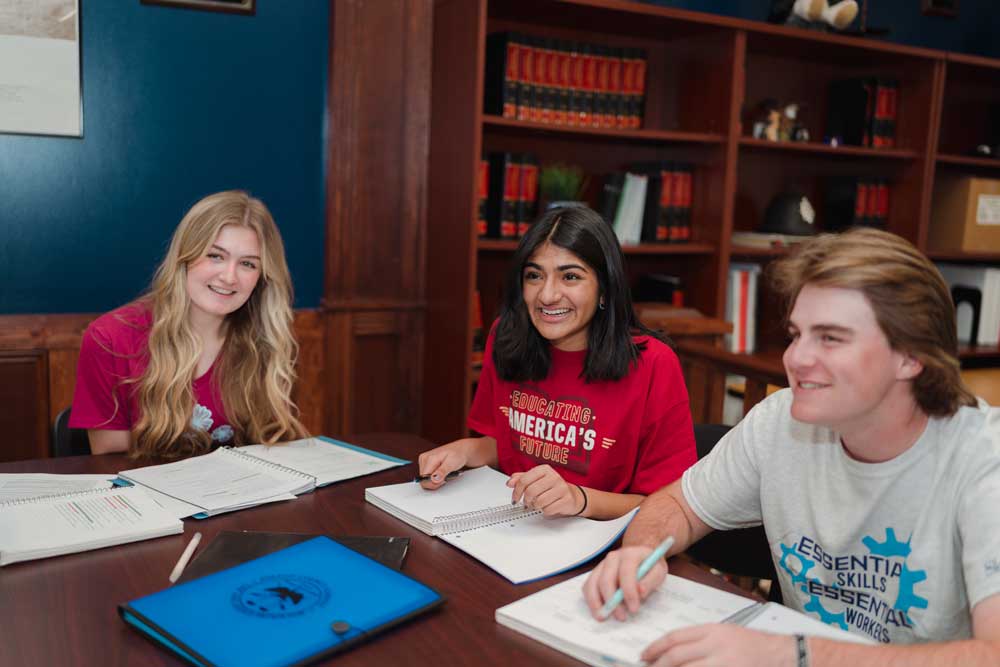
  • Sample Middle School Celebration Ideas
  • Sample High School Celebration Ideas
  • Sample College/Postsecondary Celebration Ideas

SkillsUSA National Signing Day (NSD) is a nationwide celebration honoring the next generation of skilled professionals. This event allows students to publicly commit to their career paths – whether that’s a job offer, internship/apprenticeship, or advancing in CTE/technical training. It elevates the visibility of skilled trades, celebrates student success, and strengthens the connection between education, industry, and community.

Student Eligibility

Eligibility for students in the Financial Services pathway might look like:

Progressing in the Financial Services Pathway

Students advancing within foundational or specialized coursework such as:

  • Introduction to Financial Services,Personal Finance, Managerial Accounting, Financial Literacy & Budgeting, Business Law & Ethics, Banking Operations
  • Level progression (e.g., Accounting I → Accounting II)

Work-Based Learning, Apprenticeships & Industry Training

Students committing to:

  • Internships with local banks, credit unions, financial offices, or payroll departments
  • Apprenticeships or pre-apprenticeships in bookkeeping, tax prep, or financial services
  • Roles supporting:
    • Accounts payable/receivable
    • Budget tracking
    • Cash-handling operations
    • School-based enterprises (store bookkeeping, event budgeting)

Employment Commitments

Students accepting:

  • Positions in banking or credit unions
  • Bookkeeping or accounting assistant roles
  • Customer service or financial operations support positions
  • Part-time financial clerk or teller roles

Postsecondary Education Commitments

Students committing to:

  • Technical or community college programs in Accounting, Banking, Finance, or Business Administration
  • University programs in Finance, Accounting, Economics, Risk Management, Actuarial Science, FinTech, or Business Analytics
  • Dual-enrollment programs tied to accounting or financial services

Why Signing Day Matters for Financial Services

For students in Financial Services, Signing Day celebrates students pursuing banking, accounting, financial planning, investments, corporate finance, FinTech, business
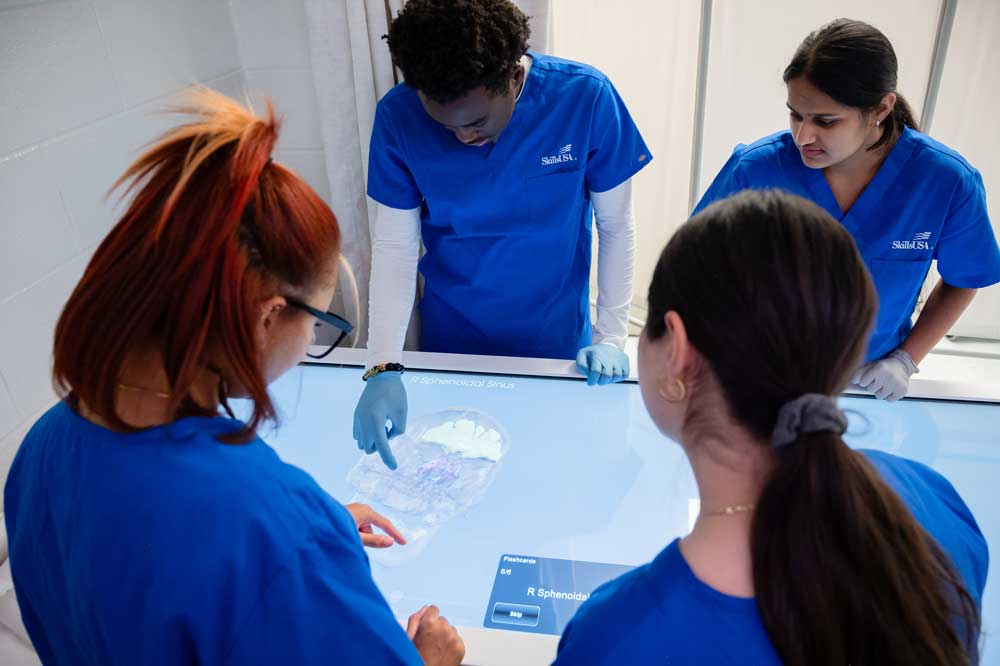
 

Four medical students looking at an interactive terminalSkillsUSA National Signing Day (NSD) is a nationwide celebration honoring the next generation of skilled professionals. This event allows students to publicly commit to their career paths – whether that’s a job offer, internship/apprenticeship, or advancing in CTE/technical training. It elevates the visibility of skilled trades, celebrates student success, and strengthens the connection between education, industry, and community.

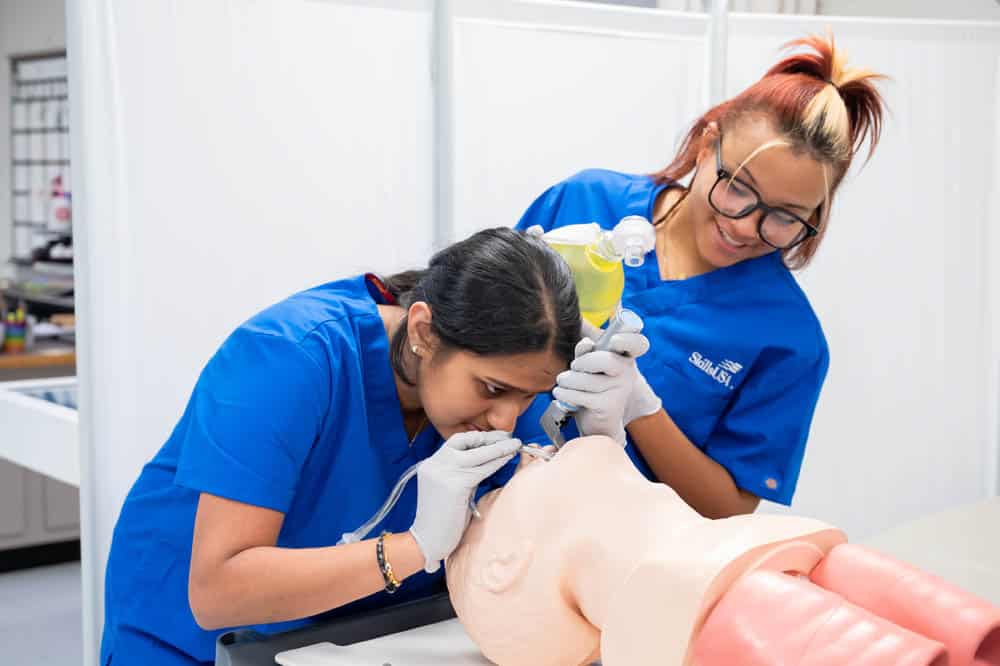
Eligibility for students in the Healthcare & Human Services pathway might look like:

Progressing in the Healthcare & Human Services Pathway

Students advancing within or between foundational and specialized programs such as:
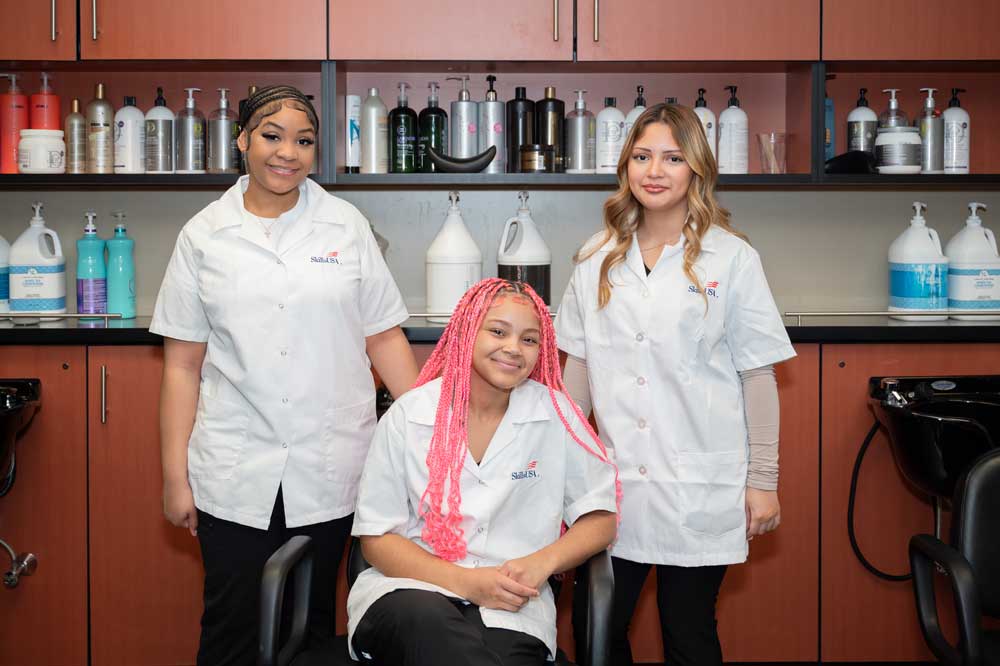
  • Barbering, Community Health Aide, Cosmetology, Dental, Dental Assisting, Dental Lab Technology, Esthetics, Health Sciences, Institution & Home Management Support, Medical Assisting, Medical Lab Assisting, Medical Lab Technology, Medical Office Assisting, Nail Care, Nurse Assisting (Aide), Nursing (Assoc Degree), Personal Services, Practical Nursing
  • Level progression (e.g., Health Science I → Clinical II, Cosmetology I → II → III → IV)

Three female cosmetologists in a salon. One sits and is flanked by the other two.Students selected or approved to advance in nursing assistance, dental assisting, medical assisting, lab technology, cosmetology, barbering, esthetics, or nail care

Programs vary by state, but advancement represents a commitment to continued healthcare or personal-service training

Work-Based Learning, Apprenticeships/Internships & Industry Training
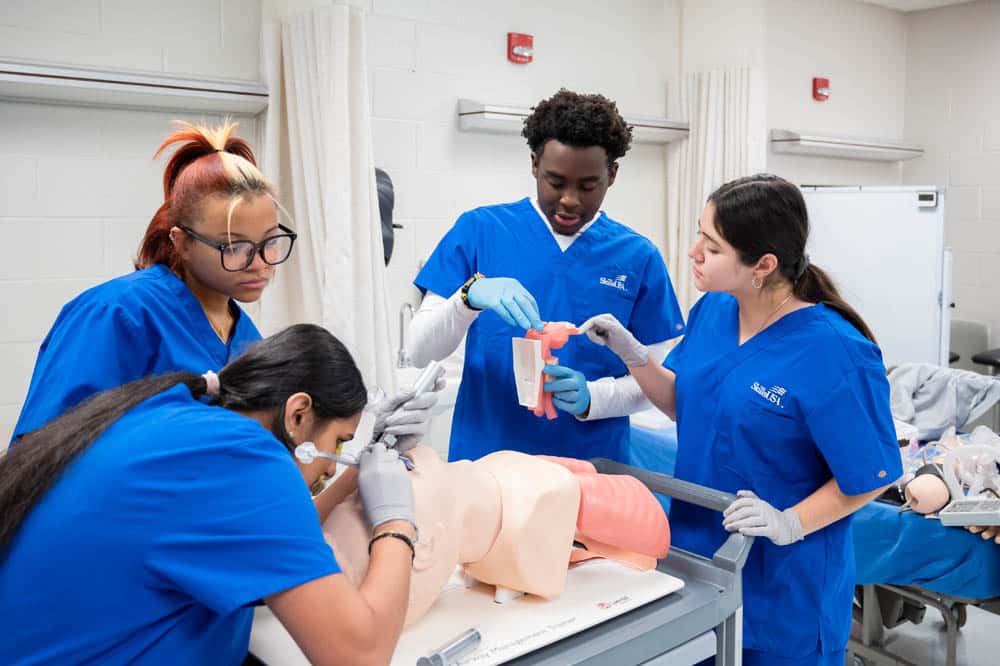
Students committing to:

  • CNA certification or clinical hours
  • American Heart Association or Red Cross CPR/First Aid certifications
  • Dental assisting clinicals
  • Apprenticeships in cosmetology, barbering, esthetics, or nail care
  • Earning credentials such as:
  • Master Cosmetologist license track
  • Shampoo Technician license
  • Hair Design license
  • Nail Tech or Esthetics certification
  • Barbicide
  • Esthetics safety
  • Salon sanitation
  • Customer service or client-interaction foundations
  • Work-based learning assignments in healthcare facilities, medical or dental offices, labs, local salons, barbershops, spas, or on-campus salons
  • Gaining an apprenticeship license while still in high school
  • School-based salon hours supporting real clients under instructor supervision

Employment Commitments

Students accepting:

  • CNA positions
  • Phlebotomy roles
  • Dental assistant positions
  • Medical assistant or front-office healthcare roles
  • EMT/EMS trainee positions
  • Patient care technician roles in healthcare facilities

Postsecondary Education Commitments

Students committing to:

  • Technical or community college programs in nursing assistance, practical nursing, medical assisting, dental assisting, dental lab technology, medical lab technology, cosmetology, esthetics, barbering, nail care, or personal services
  • University programs in nursing or other healthcare and human services fields
  • One-year technical programs preparing for state licensing exams
  • Dual enrollment leading into healthcare or personal-service programs

Why Signing Day Matters for Health Science

For students in Healthcare & Human Services, Signing Day celebrates students pursuing nursing, patient care, lab science, dental services, cosmetology, barbering, esthetics, nail care, and more. Chapters can celebrate students in many ways – see examples below!
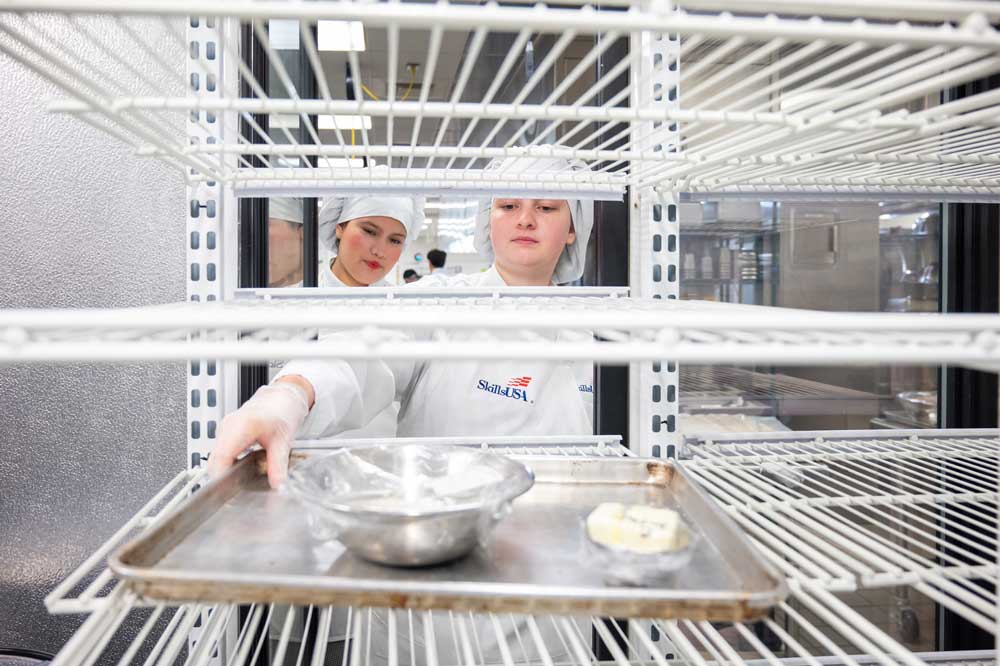
Two cooking students reaching into a rack to grab a traySkillsUSA National Signing Day (NSD) is a nationwide celebration honoring the next generation of skilled professionals. This event allows students to publicly commit to their career paths – whether that’s a job offer, internship/apprenticeship, or advancing in CTE/technical training. It elevates the visibility of skilled trades, celebrates student success, and strengthens the connection between education, industry, and community.

Student Eligibility

Eligibility for students in the Hospitality, Events, & Tourism pathway might look like:

Progressing in the Hospitality, Events & Tourism Pathway
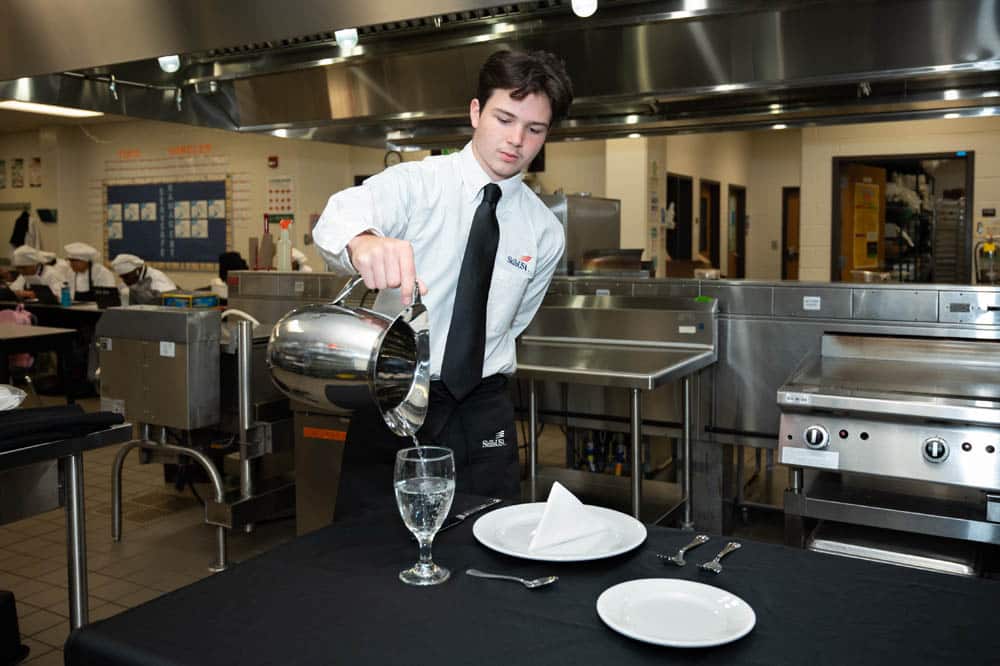
Students advancing within or between foundational and specialized courses such as:

  • Building Maintenance, Food & Beverage Service, Commercial Baking, Hotel Management, Cook/Chef, Restaurant Management, Culinary Arts, Travel & Tourism, Custodial Services, Waiter/Waitress
  • Level progression (e.g., Culinary I → Culinary II, Baking I → Baking II)
  • Completing sequences or moving into focused coursework such as:
    • Culinary Arts II: Advanced Techniques & Production
    • Baking & Pastry II: Artisan Methods
    • Hospitality Management: Guest Services & Operations
    • Event Planning & Tourism Essentials

Work-Based Learning, Apprenticeships & Industry Training
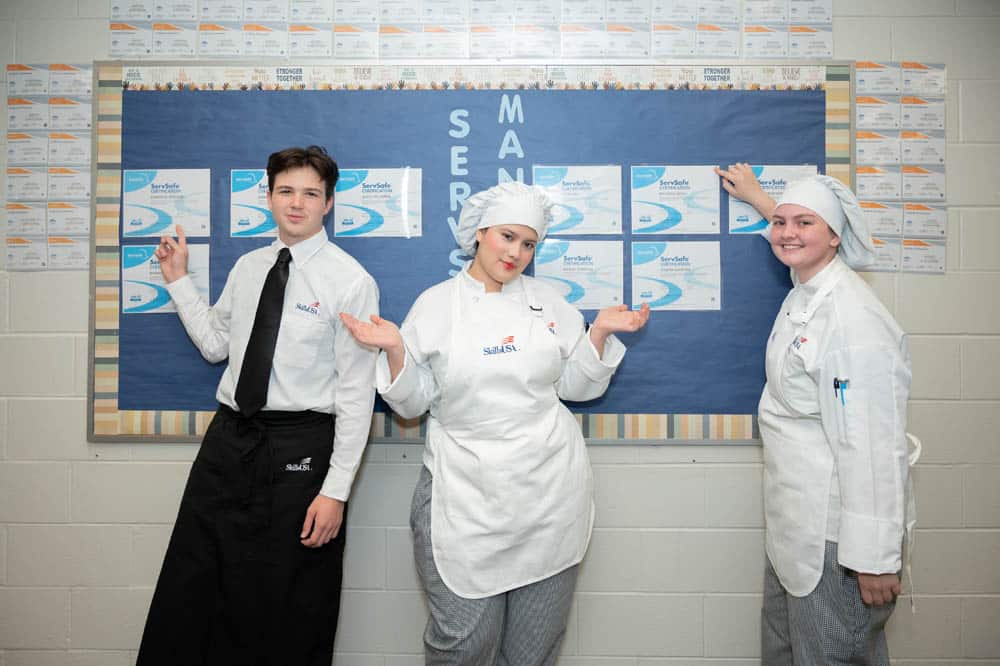
Students committing to:

  • Culinary or hospitality internships (school-based catering, bakery rotations, hotel/restaurant placements)
  • Apprenticeships with local restaurants, bakeries, hotels, or event companies
  • Industry-recognized credentials such as:
    • ServSafe Food Handler or Manager
    • AHLEI certifications (American Hotel & Lodging Educational Institute)
      First Aid/CPR for safety roles
  • Seasonal or event-based work (banquet assistant, line cook trainee, hostess, guest services trainee)

Employment Commitments

Students accepting:

  • Positions in restaurants, bakeries, catering companies, hotels, resorts, or local tourism organizations
  • Culinary roles such as line cook, prep cook, or pastry assistant
  • Hospitality roles such as guest services, concierge support, front desk, or event assistant
  • Tourism positions including visitor center staff, tour assistant, or travel support roles

Postsecondary Education Commitments

Students committing to:

  • Technical or community college programs like:
    • Culinary Arts
    • Baking & Pastry
    • Hospitality Management
    • Event Planning
    • Travel & Tourism
  • University programs in Hospitality, Tourism, or Culinary Management
  • Apprenticeship-based training partnered with local industry
  • Dual-enrollment hospitality or culinary programs

Why Signing Day Matters for Hospitality, Events, & Tourism

For students in Hospitality, Events, & Tourism, Signing Day celebrates students pursuing Culinary Arts, Travel & Tourism, Custodial Services, Waiter/Waitressing and more. Chapters can celebrate students in many ways – see examples below!
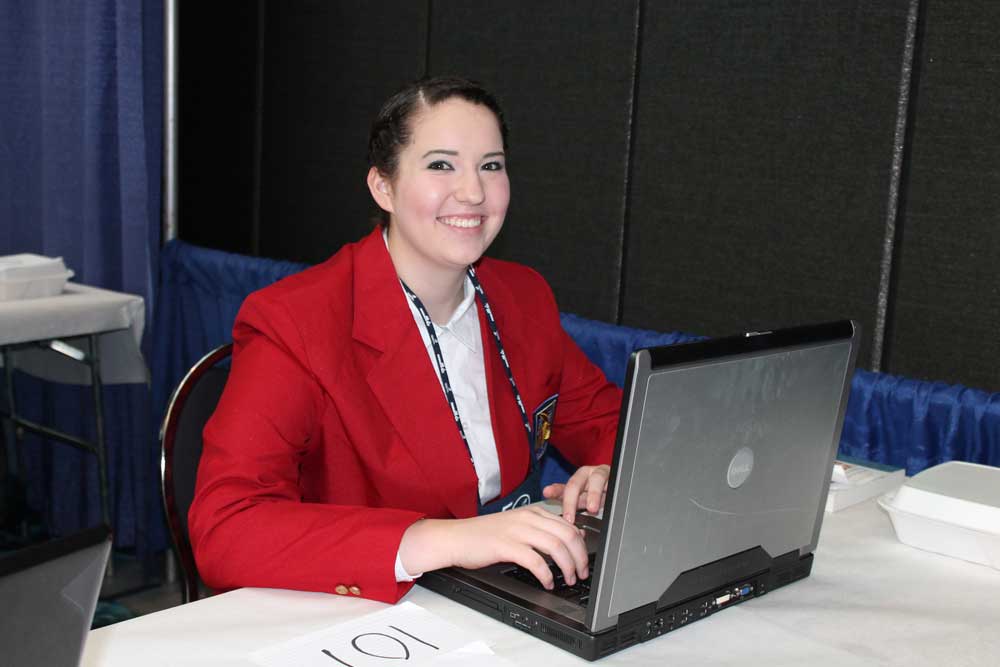
Student at a computerSkillsUSA National Signing Day (NSD) is a nationwide celebration honoring the next generation of skilled professionals. This event allows students to publicly commit to their career paths – whether that’s a job offer, internship/apprenticeship, or advancing in CTE/technical training. It elevates the visibility of skilled trades, celebrates student success, and strengthens the connection between education, industry, and community.

Student Eligibility

Eligibility for students in the Management & Entrepreneurship pathway might look like:

Progressing in the Management & Entrepreneurship Pathway

Students advancing within or between foundational and specialized courses such as:

  • Office Technology, Entrepreneurship
  • Level progression (e.g., Office Technology I → Office Technology II, Entrepreneurship I → Entrepreneurship II)
  • Completing sequences or moving into focused coursework such as:
    • Business communications
    • Digital applications
    • Entrepreneurship development
    • Customer relations
    • Business law

Work-Based Learning, Apprenticeships & Internships

Students committing to:

  • Internships in administrative offices, school-based enterprises, or local businesses
  • Apprenticeships or pre-apprenticeships in office operations, business administration, or small-business management
  • Structured WBL experiences such as:
    • School store management
    • Front office or attendance office operations
    • Office communications or administrative support
  • Earning industry-recognized training in Microsoft Office, Google Workspace, or other business administration systems

Employment Commitments

Students accepting:

  • Business administration, receptionist, or clerical positions
  • Customer service, front desk, or office management roles
  • Office support or administrative data entry positions
  • Pursuing entrepreneurship 

Postsecondary Education Commitments

Students committing to:

  • Technical or community college programs in Business Administration, Accounting, Management, or Entrepreneurship
  • University business programs (e.g., Business Administration, Management, Entrepreneurship, or HR)
  • Specialized programs in project management, business analytics, etc.
  • Dual enrollment in business courses

Why Signing Day Matters for Management & Entrepreneurship

For students in Management & Entrepreneurship, Signing Day highlights students pursuing office technology, entrepreneurship, corporate careers, and more. Chapters can celebrate students in many ways – see examples below!
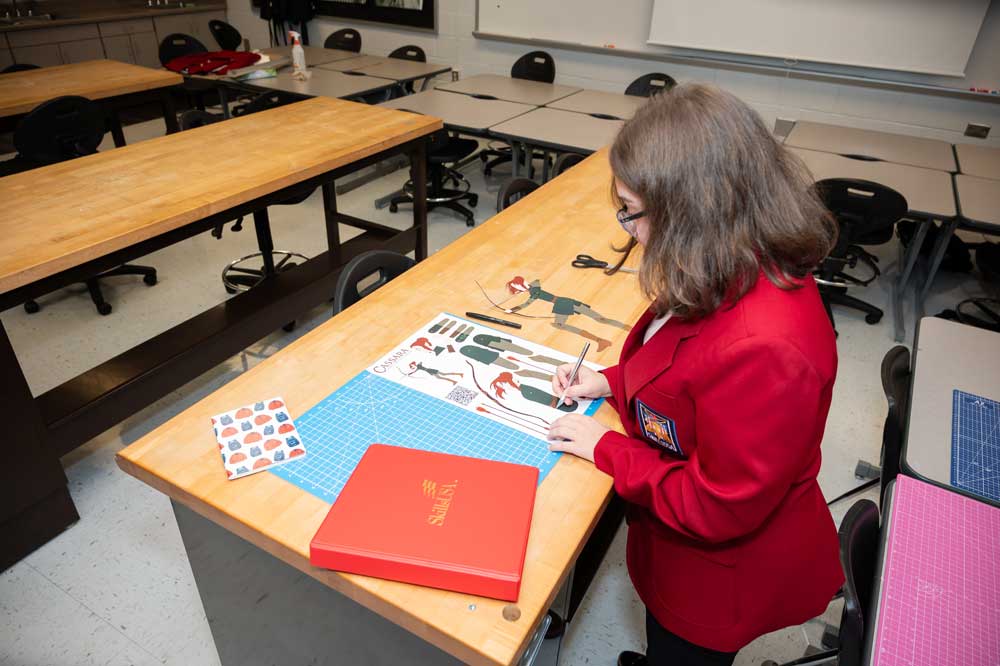
 

A student putting together a presentation.SkillsUSA National Signing Day (NSD) is a nationwide celebration honoring the next generation of skilled professionals. This event allows students to publicly commit to their career paths – whether that’s a job offer, internship/apprenticeship, or advancing in CTE/technical training. It elevates the visibility of skilled trades, celebrates student success, and strengthens the connection between education, industry, and community.

Student Eligibility

Eligibility for students in the Marketing & Sales pathway might look like:

Progressing in the Marketing & Sales Pathway

Students advancing within or between foundational and specialized courses such as:

  • Marketing, Customer Service, Distributive Education
  • Level progression (e.g., Marketing I → Marketing II, Customer Service I → Customer Service II)
  • Completing sequences or moving into focused coursework such as:
    • Customer relations and consumer behavior
    • Brand development and digital promotion
    • Event marketing and merchandising
    • Sales presentations and campaign planning

Work-Based Learning, Apprenticeships & Industry Training

Students committing to:

  • Internships in retail, hospitality marketing, social media, sales departments, or event promotion
  • School-based enterprise leadership (school store, spirit shop, promotional team)
  • Completing industry-recognized training or certifications in:
    • Customer engagement
    • Digital marketing fundamentals
    • Sales operations and CRM tools
  • Serving as marketing assistants for school events, athletics, or community partners

Employment Commitments

Students accepting:

  • Retail, sales floor, or customer service roles
  • Marketing assistant or social media coordinator positions
  • Event support roles (promotion, ticketing, brand activation)
  • Entry-level advertising, merchandising, or community outreach jobs

Postsecondary Education Commitments

Students committing to:

  • Technical or community college programs in Marketing, Customer Service, or Sales
  • University programs in Marketing, Advertising, or Customer Service
  • Certificate programs in graphic marketing, digital strategy, or sales operations
  • Dual-enrollment pathways supporting communication and marketing fields

Why Signing Day Matters for Marketing & Sales

For students in Marketing & Sales, Signing Day celebrates students pursuing customer service, marketing, distributive education, and more. Chapters can celebrate students in many ways – see examples below!
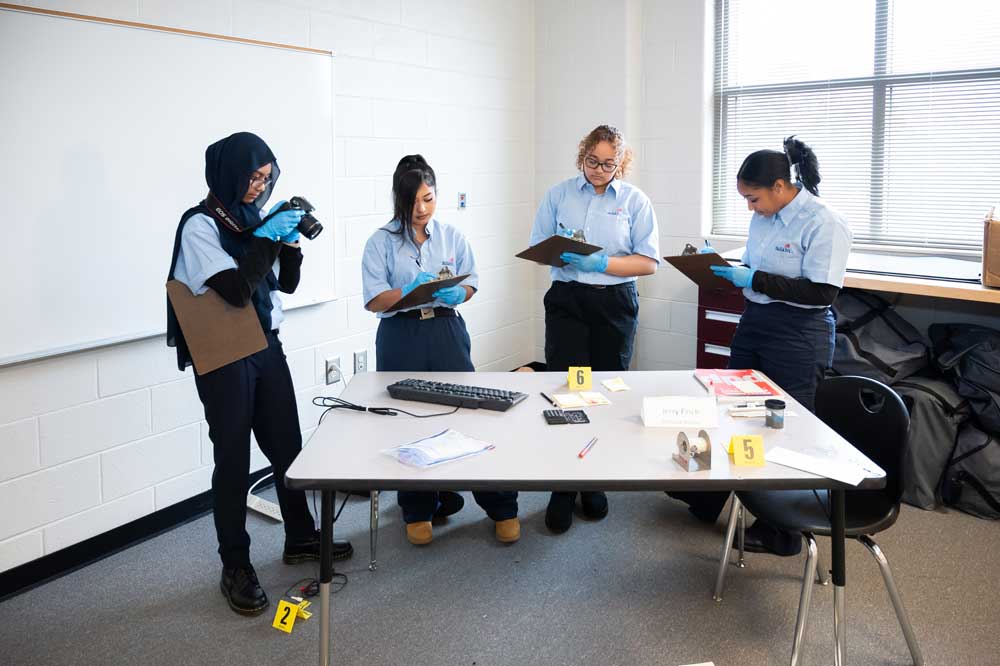
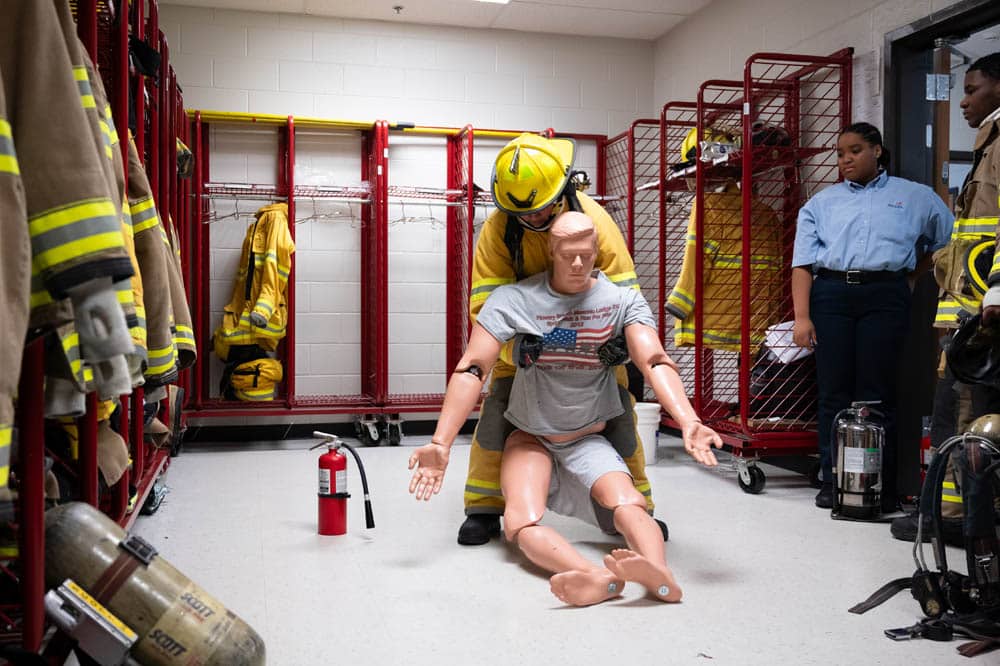
Four crime scene investigation students observing a crime scene set up.SkillsUSA National Signing Day (NSD) is a nationwide celebration honoring the next generation of skilled professionals. This event allows students to publicly commit to their career paths – whether that’s a job offer, internship/apprenticeship, or advancing in CTE/technical training. It elevates the visibility of skilled trades, celebrates student success, and strengthens the connection between education, industry, and community.

Student Eligibility

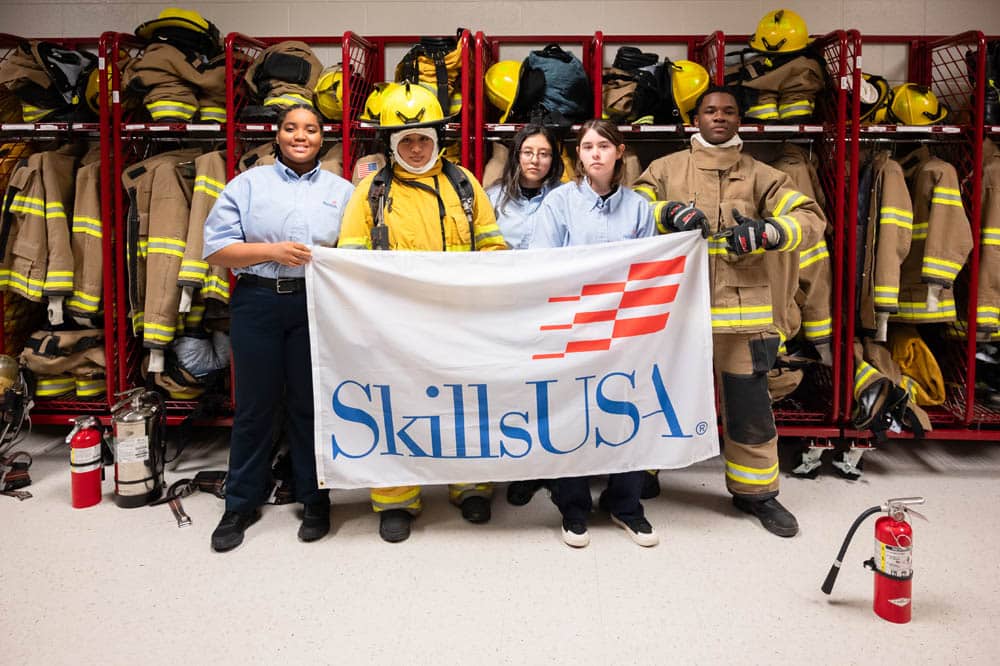
Eligibility for students in the Public Service & Safety  pathway might look like:

Progressing in the Public Service & Safety Pathway

Students advancing within or between foundational and specialized courses such as:

  • Crime Scene Investigator, First Aid/CPR, Criminal Justice, Law Enforcement, Exploratory Programs, Police Science, Firefighter Training, Public Service Occupations
  • Level progression (e.g., Public Safety I → Public Safety II, Criminal Justice I → II)
  • Completing sequences or moving into focused coursework such as:
    • Intro to Law & Public Safety
    • Criminal Justice Essentials
    • Public Safety Communications / 911
    • Criminal Investigations
    • Applications of Corrections

Work-Based Learning, Apprenticeships/Internships & Industry Training
Students committing to:

  • Externships, rotations, or work-based learning roles such as:
    • Local fire departments
    • Police departments
    • Sheriff’s offices
    • District attorney’s offices
    • 911/dispatch centers
    • Correctional officer training
  • Specialized training opportunities such as:
    • Emergency Medical Technician (EMT) certifications
    • Public safety communications
    • Georgia Power or EMC dispatcher training (unique career pathways)
    • Emergency dispatch or public safety communications training

Employment Commitments

Students accepting:

  • Positions in corrections, dispatch, or security
  • Firefighter cadet or volunteer firefighter roles
  • EMT/basic life support roles depending on state eligibility
  • Community safety officer or patrol support positions
  • Public safety communications roles (911, utility dispatch, emergency dispatch)

Postsecondary Education Commitments

Students committing to:

  • Technical or community college programs in Criminal Justice, EMT, Fire Science, Forensic Science, or Public Safety
  • University programs in Criminal Justice, Homeland Security, Emergency Management, or related fields
  • Law enforcement academies

Why Signing Day Matters for Public Service & Safety

For students in Public Service & Safety, Signing Day celebrates students pursuing Crime Scene Investigator, First Aid/CPR, Criminal Justice, Law Enforcement, Exploratory Programs, Police Science, Firefighter Training, Public Service Occupations and more. Chapters can celebrate students in many ways – see examples below!
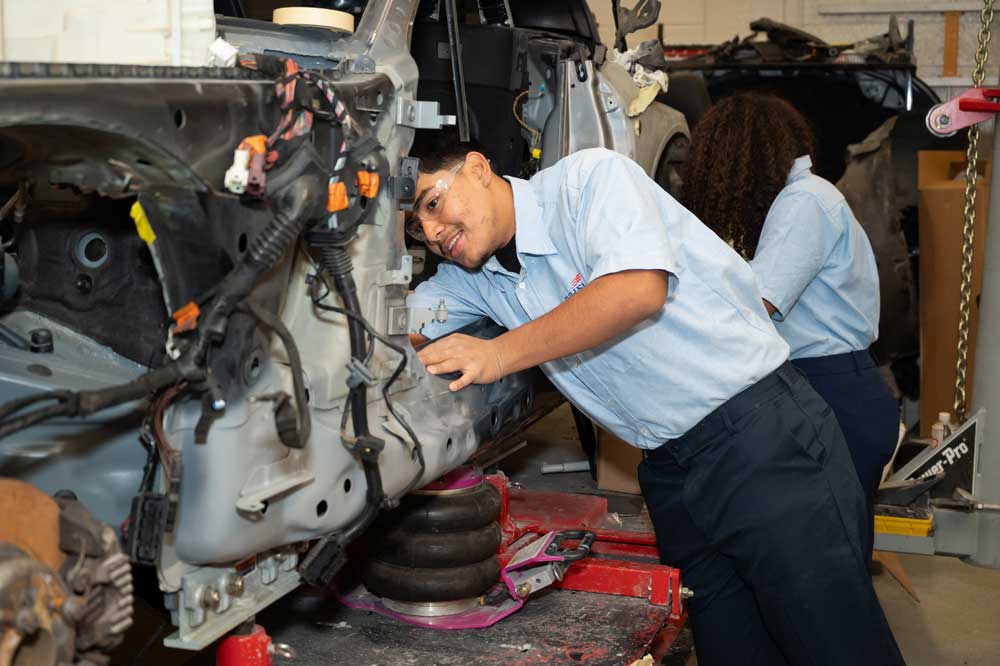
Two students working on a car.SkillsUSA National Signing Day (NSD) is a nationwide celebration honoring the next generation of skilled professionals. This event allows students to publicly commit to their career paths – whether that’s a job offer, internship/apprenticeship, or advancing in CTE/technical training. It elevates the visibility of skilled trades, celebrates student success, and strengthens the connection between education, industry, and community.

Student Eligibility

Eligibility for students in the Supply Chain & Transportation pathway might look like:

Progressing in the Supply Chain & Transportation Pathway
Students advancing within or between foundational and specialized courses such as:

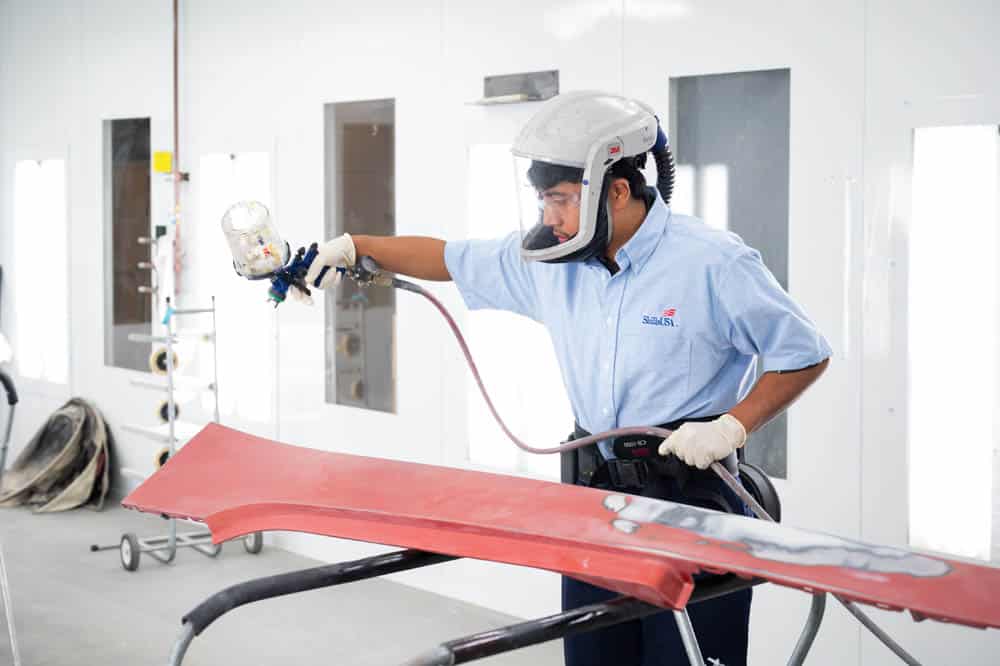
  • Auto (Other Fluid Power), Auto Service Parts Counterperson, Auto Service Technology, Automotive Refinishing Tech, Aviation Maintenance Technology, Aviation Occupations, Collision Repair Technology, Diesel Equipment Technology, Marine Occupations, Marine Service Technology, Motorcycle Service Tech, Power Equipment Technology, Warehousing
  • Level progression (e.g., Automotive I → Auto II, Diesel I → Diesel II, Warehousing I → Warehousing II)
  • Completing sequences or moving into focused coursework such as:
    • General Automotive Technology
    • Auto Tech I, II, III
    • Introductory Transportation Systems or Warehousing Operations

Work-Based Learning, Apprenticeships/Internships & Industry Training
Students committing to:

  • Internships or apprenticeships with:
    • Local dealerships (e.g., Ford, GM, Toyota)
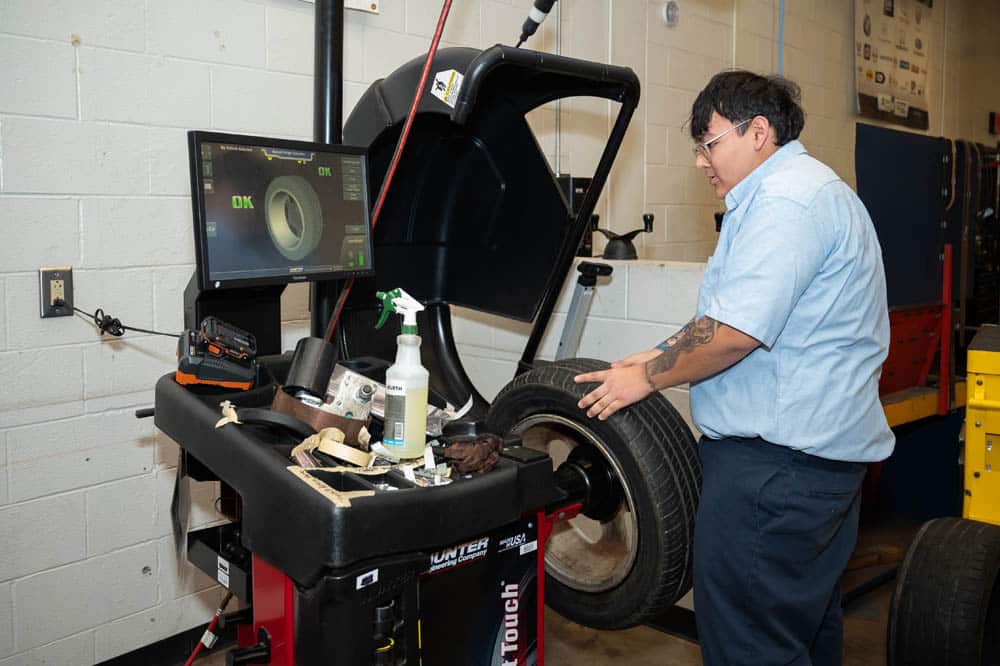
    • Line technician roles (tire/brake work, entry-level diagnostics)
    • Small-town tire or service shops
    • Aviation maintenance labs or hangars, warehouse/distribution facilities, or parts departments
  • Industry training programs such as:
    • Manufacturer-specific training (Ford ASSET, Toyota T-TEN)
    • FAA-aligned aviation maintenance experiences
    • Marine mechanics or helicopter maintenance exposure
  • Structured work-based learning aligned to transportation systems, logistics operations, or warehouse/distribution roles

Employment Commitments

Students accepting:

  • Automotive or diesel technician positions
  • Collision repair or paint-prep roles
  • Aviation maintenance assistant roles
  • Marine/boat mechanic positions
  • Logistics, warehouse, or parts department roles
    Dealership or local shop employment (line tech, tire/brake tech, service support)

Postsecondary Education Commitments

Students committing to:

  • Technical colleges or community colleges offering automotive, diesel, aviation, collision repair, marine, power equipment, warehousing, or logistics programs
  • Specialized institutions such as:
    • UTI (Universal Technical Institute)
    • Lincoln Tech
    • Manufacturer branch schools
  • Aviation or aeronautics training programs
  • Marine mechanics programs
  • University-level logistics or transportation management pathways

Why Signing Day Matters for Supply Chain & Transportation

For students in Supply Chain & Transportation, Signing Day celebrates students pursuing automotive, diesel, aviation, marine service, warehousing, logistics, collision repair, and more. Chapters can celebrate students in many ways – see examples below!
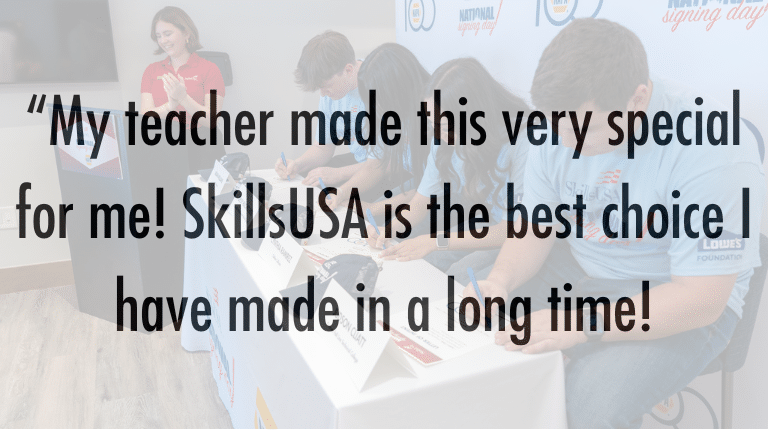
National Signing Day Across the Nation